Gran Turismo 3: A-Spec at 25 Years

Twenty-five years have passed since Polyphony Digital's Gran Turismo 3: A-Spec first arrived in Japan, a release that did more than simply offer a refined driving simulation. This particular title, with its meticulous attention to vehicle dynamics and graphical fidelity, became a critical strategic asset for Sony, effectively demonstrating the PlayStation 2's raw processing power at a time when the console needed to establish its technical bona fides against emerging competition.
Debuting on 28 April 2001 in Japan, before its global rollout that summer, Gran Turismo 3: A-Spec quickly cemented its place as a commercial success and a critical darling. ComicBook Gaming notes its consistent recognition as one of the finest racing games ever made, a testament to its enduring quality. The game's arrival early in the PlayStation 2's life cycle was no accident; it served as a powerful showcase for what the new hardware could achieve.
The Technical Statement of Polyphony Digital
Kazunori Yamauchi, the visionary behind the Gran Turismo series, had already established a reputation for precision and realism with the first two entries. For Gran Turismo 3, Yamauchi and his team at Polyphony Digital focused on refining the driving experience, aiming for an even greater sense of realism. This included a tighter focus on gameplay mechanics and a significant graphical overhaul, made possible by the PlayStation 2's enhanced processing capabilities.
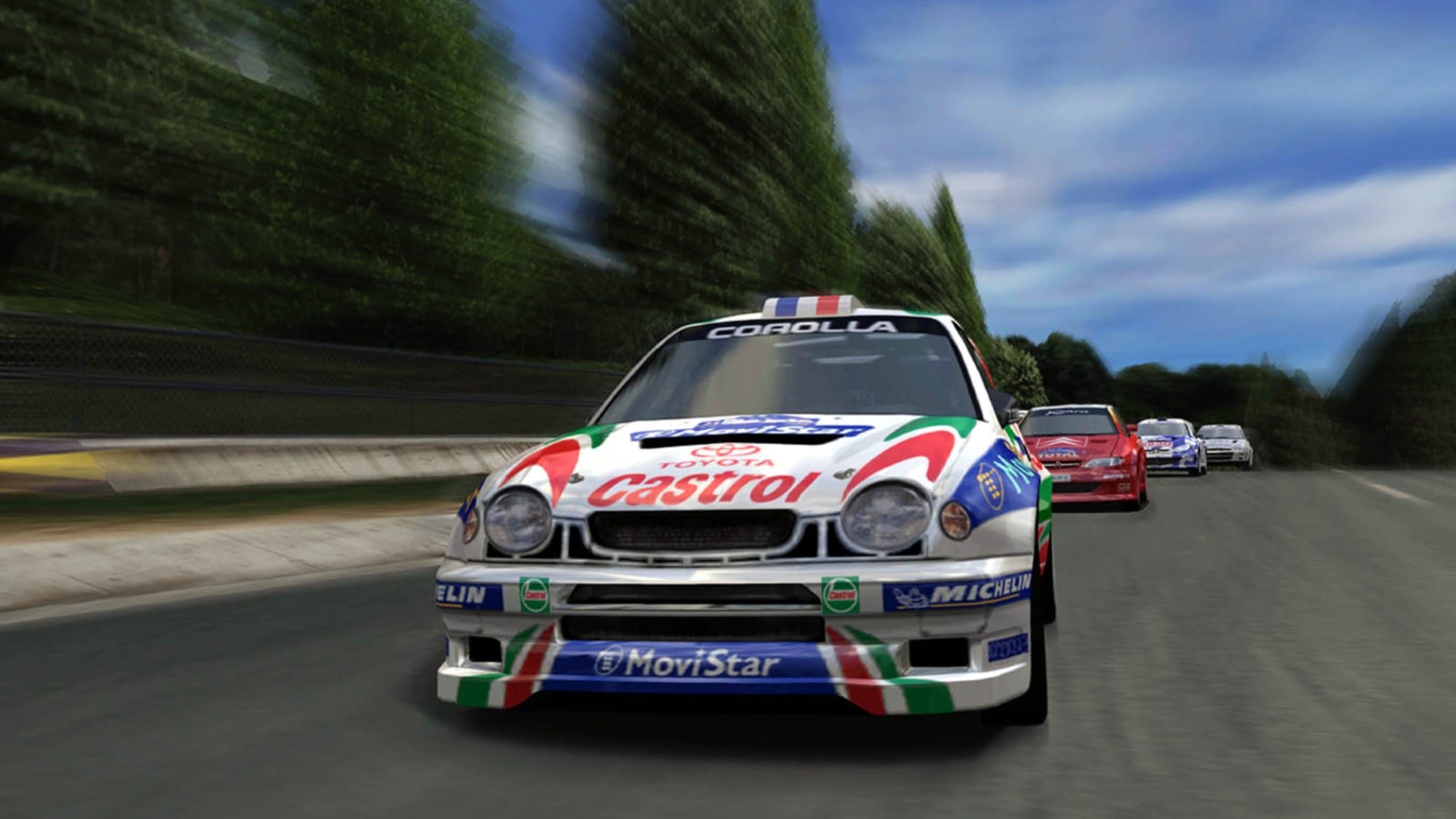
The visual leap from the original PlayStation to the PlayStation 2 was considerable, and Gran Turismo 3 capitalised on this. While the pursuit of graphical fidelity meant a reduction in the sheer number of vehicles compared to its predecessor, the game still featured nearly 200 cars, including notable models such as the Aston Martin. This careful balance of quantity and quality ensured that each vehicle felt distinct and visually impressive, a detail not lost on players or critics.
A Defining Release for the PlayStation 2
The game's critical reception was overwhelmingly positive, trailing only the original Gran Turismo by a single point on Metacritic. However, its significance extended beyond review scores. As ComicBook Gaming highlights, Gran Turismo 3 became a "case study" for the PlayStation 2's potential, particularly when contrasted with the more blocky visuals of its predecessor. The game's sophisticated graphics and immersive gameplay made it a compelling reason to purchase Sony's new console.
It is worth noting that the strategic timing of Gran Turismo 3's release, so early in the PlayStation 2's lifespan, was instrumental in shaping public perception of the console. While other launch titles might have offered varied experiences, a visually stunning, technically proficient racing simulator spoke directly to the hardware's capabilities. This was a clear message to consumers about the graphical advancements they could expect from the new generation.
Sales Figures and Market Dominance
The commercial performance of Gran Turismo 3: A-Spec was nothing short of remarkable. The title sold 14.89 million copies worldwide, making it one of the best-selling console games of all time. It stands as the second best-selling game for the PlayStation 2, surpassed only by Grand Theft Auto: San Andreas, and notably, it was the most successful PlayStation 2 exclusive title.
This level of sales success, particularly for an exclusive, underscores the game's broad appeal and its role in the PlayStation 2's market dominance. While Nintendo's GameCube and Microsoft's Xbox made their respective debuts, the PlayStation 2 became the console of choice for a vast global audience. Gran Turismo 3's ubiquity, even outperforming its direct sequel, Gran Turismo 4, speaks volumes about its cultural penetration and lasting presence in many households.
Beyond the Track: Cultural Resonance
The game's impact was not merely commercial; it helped define the PlayStation 2's identity. It represented the console's computing power and depth, showcasing how far game development had progressed in a relatively short period. For many, Gran Turismo 3 offered an accessible yet deep experience, allowing players to engage with high-performance vehicles without the need for fantastical narratives or complex lore.
This broad appeal made it a staple in many PlayStation 2 libraries, much like Mario Kart for Nintendo players or Halo for Xbox owners. The game's inclusion in the PlayStation Greatest Hits line further extended its reach, keeping it in heavy rotation for years after its initial release. Its success was a quiet but firm statement about the console's direction and its ability to cater to a wide demographic.
An Enduring Standard for the Genre
Even a quarter of a century later, Gran Turismo 3: A-Spec maintains its reputation as a benchmark in the racing genre. Despite the advancements seen in modern titles like Forza Horizon and subsequent Gran Turismo entries, the foundational strengths of GT3 remain evident. Its blend of realistic physics, impressive visuals for its era, and accessible gameplay created a formula that few have managed to replicate with the same level of widespread success.
The game's legacy is not just about its sales figures or critical acclaim; it is about its role in solidifying the PlayStation 2's position as a cultural phenomenon. It proved that a technically ambitious, simulation-focused title could achieve mainstream success, becoming a key part of Sony's greatest gaming victories. Its enduring quality continues to resonate, a quiet reminder of a console generation's defining moments.
Keep your collection properly. RetroShell's shop stocks UK-made acrylic protectors for Atari, Sega, Nintendo and more.
Follow RetroShell on X for daily retro gaming news. Join the community on r/RetroShell.
Originally published by ComicBook Gaming. Read original article.