
Game Boy's 37th Anniversary: A Look Back
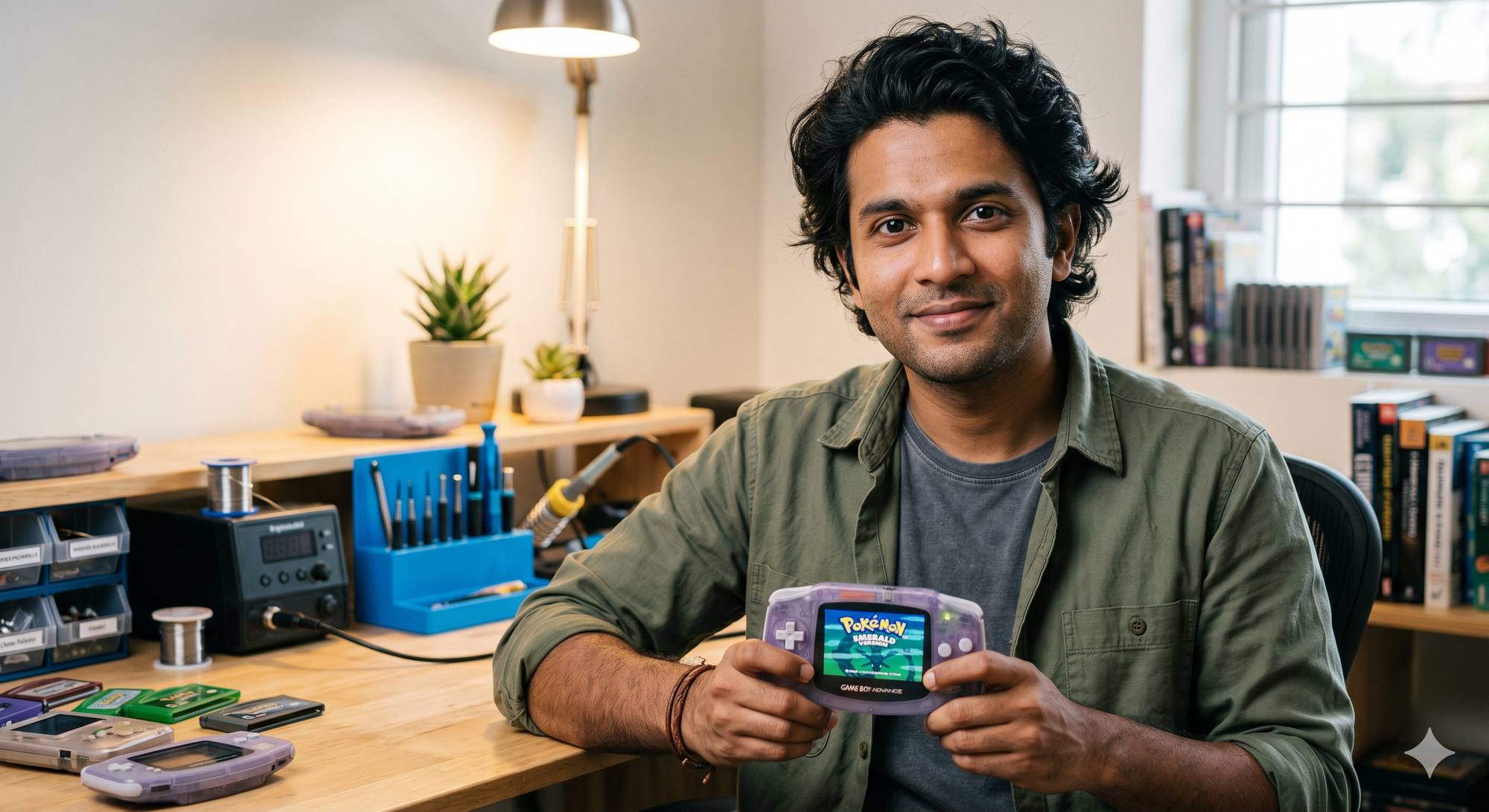
The Nintendo Game Boy, a handheld console that redefined portable entertainment, recently marked its 37th anniversary, according to a report from the Dallas Express. This milestone reminds us of the console's incredible legacy, particularly its robust design and the vibrant modding scene it continues to foster, even decades after its original release in 1989.
The Original Hardware and Its Enduring Appeal
The original Game Boy, model DMG-01, launched with a monochrome liquid-crystal display, or LCD, offering a resolution of 160 by 144 pixels. Its CPU, a Sharp LR35902, clocked in at 4.19 MHz, a modest speed even for its time, but efficient enough to power iconic titles like Tetris and Super Mario Land. The console ran on four AA batteries, providing approximately 10-14 hours of playtime, a figure that was impressive for early portable electronics.
What this hints at, for the scene, is the sheer resilience of the original hardware. Unlike many contemporary devices, the Game Boy was built to last, often surviving drops and rough handling. This durability has made it a prime candidate for hardware modifications, extending its life far beyond what Nintendo likely envisioned.
A Modder's Dream: Backlights and IPS Screens
For many enthusiasts, the Game Boy's original reflective LCD was its biggest drawback, especially in low-light conditions. This led to a thriving market for backlight modifications, initially involving electroluminescent panels and later, more sophisticated IPS (In-Plane Switching) retrofit kits. These modern IPS screens, often boasting higher resolutions and vibrant colours, transform the visual experience without altering the console's core functionality.
These kits often include an On-Screen Display, or OSD, firmware that allows users to adjust brightness, colour palettes, and even pixel effects directly on the screen. The ease of installing these kits, often requiring minimal soldering, has democratised hardware modding, allowing more hobbyists to upgrade their classic handhelds. The community's ingenuity in developing these solutions is a clear example of how passion can overcome original hardware limitations.
The Game Boy's Place in Modern Handhelds
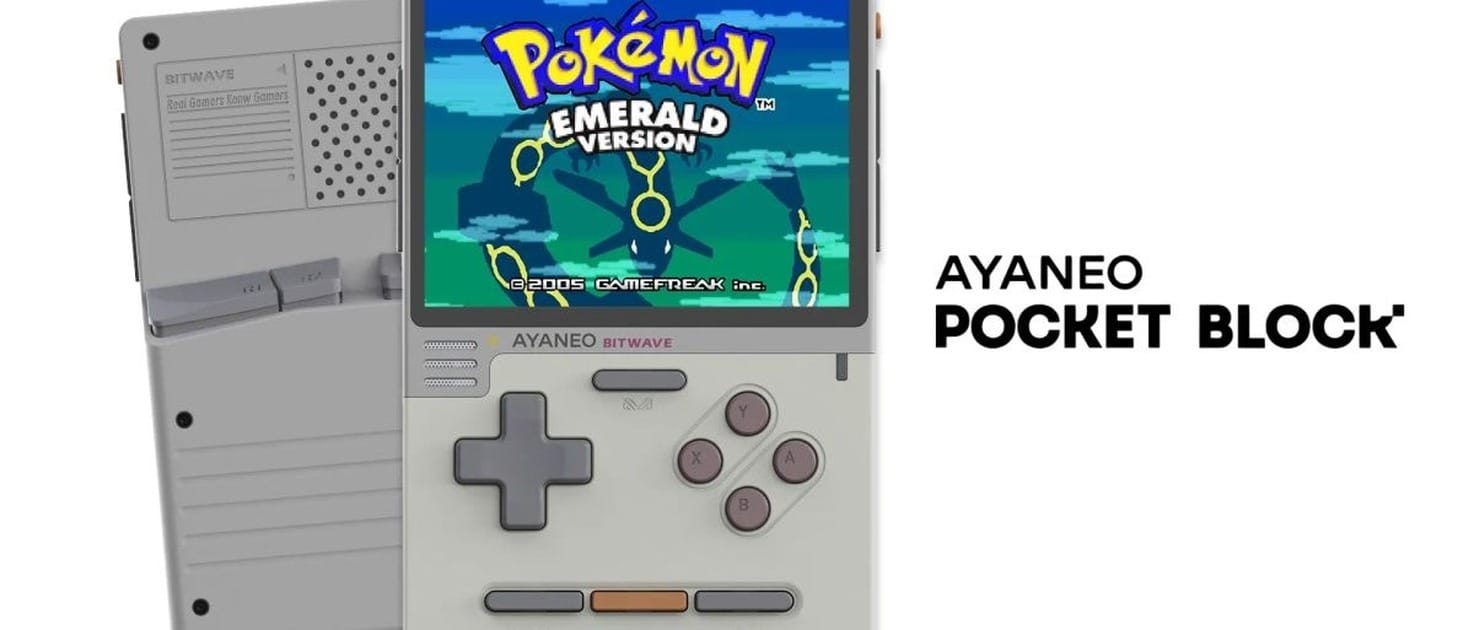
The Game Boy's influence is still felt in the current handheld market, from the open-source Linux devices like those from Anbernic and Miyoo to the FPGA-based Analogue Pocket. The Analogue Pocket, for instance, uses Field-Programmable Gate Array technology to precisely replicate the original hardware at a transistor level, allowing it to play Game Boy cartridges with unparalleled accuracy. This approach contrasts with software emulation, which simulates the hardware through code.
Even with these advanced alternatives, the original Game Boy continues to be cherished. Its simple design, tactile buttons, and the nostalgia it evokes ensure its place in collections and active use. The fact that a 37-year-old device still inspires such dedication in a rapidly evolving tech landscape is a powerful testament to its original design and cultural impact. The ongoing efforts to preserve and enhance these consoles ensure that the Game Boy's legacy will continue for many more anniversaries to come.
Want this but condensed? Sign up to the RetroShell weekly on Substack and we'll email you Monday with the best of the week.
Follow RetroShell on X for daily retro gaming news. Join the community on r/RetroShell.
Originally published by Dallas Express. Read original article.