
FPGA Tech Gets a Retro Gaming Spotlight

In retro gaming circles, FPGA is getting more attention, and Business Standard has now put the topic in the spotlight. For readers in retro gaming, the key point is simple, FPGA, or Field-Programmable Gate Array, aims to recreate original hardware behaviour rather than just simulate it in software.
That matters because software emulation, even when it is very good, can still bring small timing issues, audio latency, or graphical quirks. FPGA takes a different route, using reconfigurable chips that can be programmed to behave like the original console at a hardware level, right down to clock cycles and logic gates. For a plain-language overview of the technology, IBM has a useful explainer on Field-Programmable Gate Arrays.
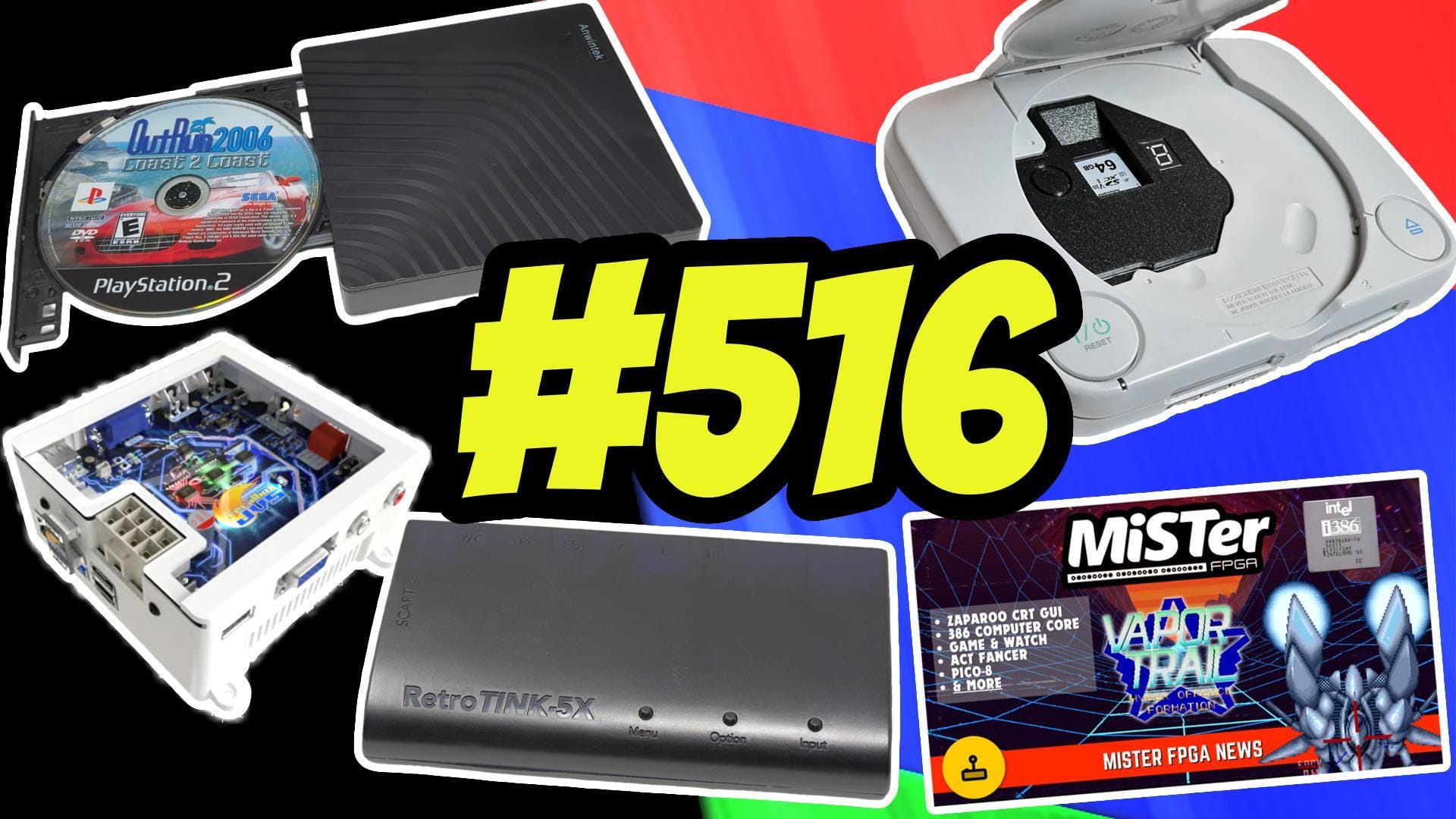
The article points to two well-known names in the scene, the Analogue Pocket and the MiSTer project. The Analogue Pocket uses custom FPGA cores for handheld play, while MiSTer runs on a Terasic DE10-Nano board with an Altera Cyclone V SE FPGA, and supports a wide range of console, arcade, and home computer cores.
There is also a preservation angle here. FPGA can be used for arcade hardware as well as consoles, which matters when original boards are fragile or harder to replace. Business Standard's coverage suggests that hardware-level accuracy is no longer a niche talking point, it is becoming part of the wider conversation around how classic games should be played and preserved.
For more RetroShell coverage of the scene, see our News tag. You can also follow RetroShell on X for daily updates, or join the community on r/RetroShell.
Originally published by Business Standard. Read original article.