
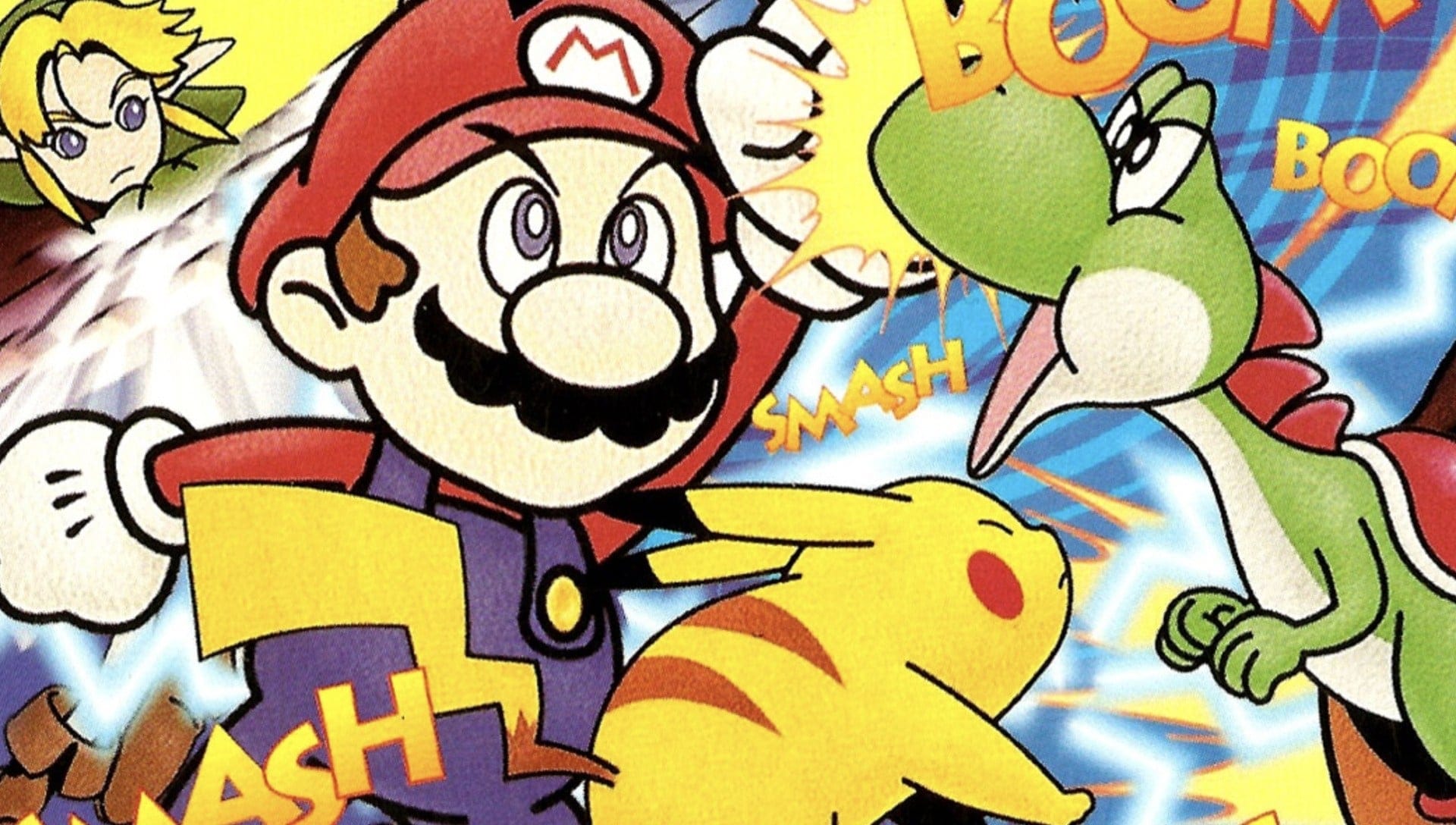
AI-Generated Smash Bros. PC Port Sparks Debate
The release of a native PC port for Super Smash Bros. has stirred considerable discussion among retro enthusiasts. This project, openly declared as "100% AI-generated" by its creator TheWizWiki, raises important questions about the meticulous work typically involved in decompilation efforts and the pursuit of hardware accuracy that projects like the Analogue Pocket's FPGA cores strive for. TheWizWiki stated that the port took "a little over 25 days" with "Opus 4.6, Opus 4.7, and GPT 5.5 as the only contributors."
This rapid development timeline, achieved by dispatching "agents" to build and test autonomously, has drawn both criticism and defence. Indie developer MorsGames, known for the modern PC port of Moon Child, was among the first to voice concerns. Video game preservationist RohanKarMooN echoed this sentiment, expressing disappointment that many decompilation projects are now using AI-generated code.
RohanKarMooN specifically stated, "It's such a bummer that many decomp projects are being programmed with AI-generated code. I don't care that it's now being 'ported' to PC, but I don't want these kinds of shortcuts to be made. I guess I'll be happy with emulation." This highlights a core tension: the desire for native ports versus the integrity of the development process.
Technical Accuracy Under Scrutiny
Beyond the ethical debate, the technical quality of the AI-generated port has also come under fire. UnderCoverToni pointed out significant flaws, stating, "It’s not even a good port. There's no features, full of bugs, and the game's engine and physics are just incorrect in a lot of areas." This lack of accuracy checks, he argues, means a human would still need to perform extensive validation, negating the supposed efficiency of the AI.
What this hints at, for the scene, is a fundamental misunderstanding of what makes a good port or a successful preservation effort. The raw speed of AI generation does not automatically translate to a faithful recreation of original hardware behaviour. For a title like Super Smash Bros., where precise hitboxes, frame data, and physics are critical for competitive play, an "incorrect" engine renders the port largely useless for its intended audience. This is a crucial distinction from, say, a simple fan translation where the primary goal is text replacement.
The Broader AI in Retro Debate
The use of AI in game development has become a contentious topic across the industry, with many players citing concerns about job displacement and perceived laziness. In the retro gaming space, AI has already been used for fan translations, sparking similar debates about authorship and quality.
However, some individuals defend the approach. Julio Varnes, also known as Craftyavg586, argued that "One of the best uses for AI is porting software to hardware and OSs that don't support it. There are games/software lost to time that AI can legitimately save." This perspective draws a line between generative AI for creative tasks and AI used for technical porting. Arrrash agreed, stating, "Porting an old video game to PC isn't a creative task, hell, if AI could port every old game to PC natively, I don't think I would have any issues with it?"
The discussion around this Super Smash Bros. PC port underscores the ongoing tension between technological advancement and the established values of accuracy and human craftsmanship in retro gaming. As AI tools become more accessible, the community will need to continue defining what constitutes acceptable use, especially when it impacts the fidelity of beloved titles and the integrity of preservation projects. The challenge remains to balance speed with the meticulous detail required for truly faithful recreations.
RetroShell also makes museum-grade acrylic game protectors — UK-produced, cast acrylic, sized for every major console generation.
Follow RetroShell on X for daily retro gaming news. Join the community on r/RetroShell.
Originally published by Time Extension. Read original article.