
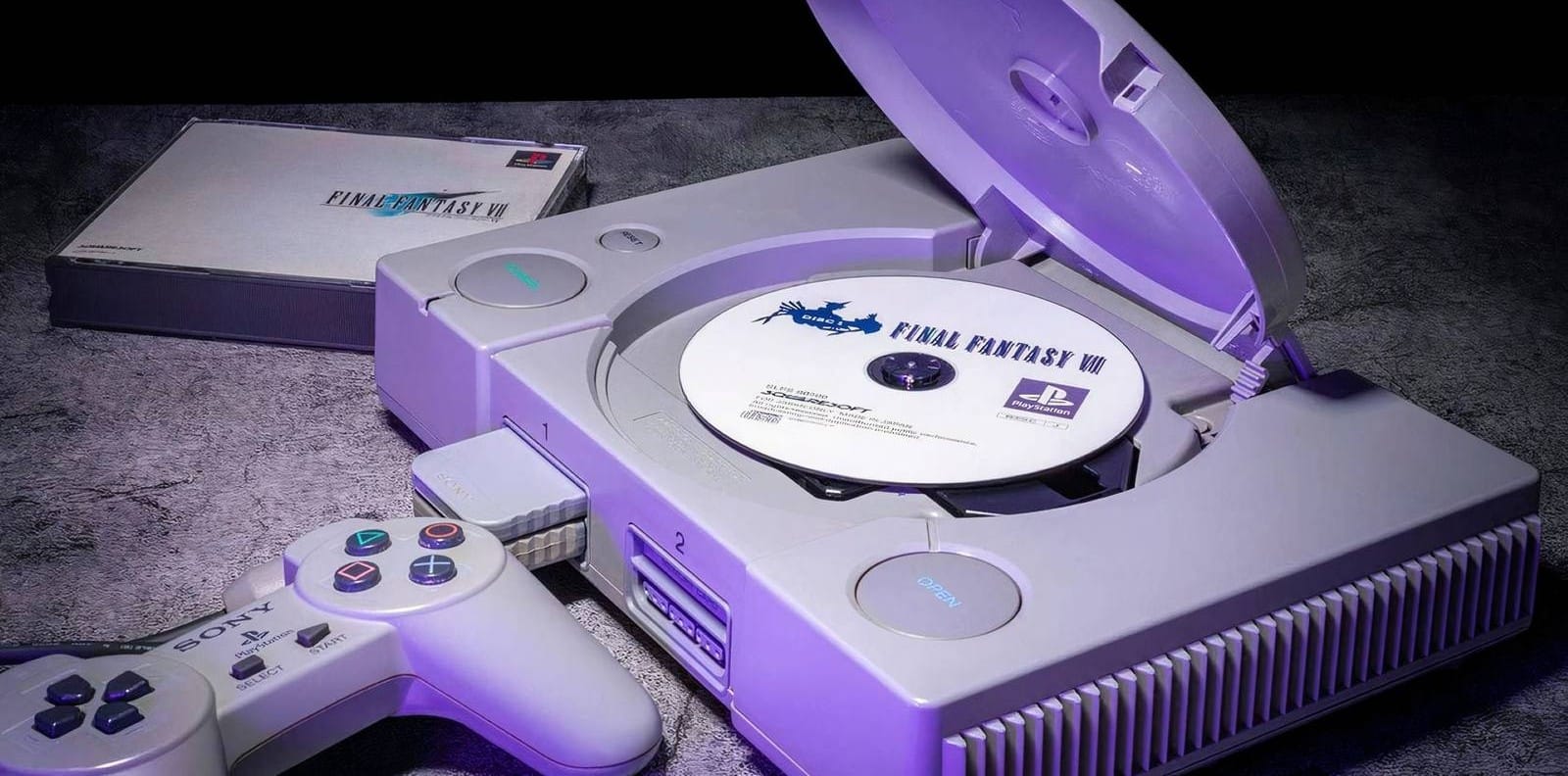
Unearthing PS1's Hidden Horrors and Discarded Visions

The PlayStation era, a period often romanticised for its technological leaps, also represents a fascinating frontier for digital archaeology, a field that routinely uncovers the discarded intentions of developers. Before the ubiquity of online forums and datamining tools, many secrets remained buried deep within game code, reflecting design choices, discarded ideas, and sometimes, content deemed too unsettling for public consumption. CBR Games recently compiled a list of these unearthed curiosities, revealing the hidden layers beneath some of the console's most celebrated and infamous titles.
These discoveries offer a rare glimpse into the development process, showing how creative visions are shaped, altered, and occasionally abandoned before a game reaches its retail form. They are not merely curios; they are fragments of a larger narrative, providing context for the finished product and insight into the pressures faced by developers in the 1990s.
Echoes of the Unseen: Subtle Terrors and Unused Assets
Some of the most intriguing discoveries involve content that hints at a darker, more unsettling experience than what players ultimately received. In Chrono Cross, a sequel to the Super Nintendo's Chrono Trigger, players can trigger a subtle, eerie event. By casting the Black Hole spell in the Chronopolis Islands, ghostly images of a young girl briefly appear in the sky before vanishing, according to GameShark device. CBR Games theorises this references Schala, Magus' missing sister from Chrono Trigger, suggesting a poignant, almost spectral connection to the past that was left as a deep secret.
Similarly, Final Fantasy VII contains a debug room, a common feature in older games for testing purposes. While most debug rooms are functional, this one carries a distinctly unsettling tone. When interacting with Aerith, who offers teleportation to various game locations, a final option appears: “Hades”. Selecting this prompts Aerith to respond, “Silly… Didn’t anyone tell you? This IS Hades.” This line, unlikely to be seen by anyone outside the development team, suggests a bizarre, creepypasta-style addition, hinting at an unpleasant afterlife within the game's very testing grounds.
The Unsettling and the Unfinished: Monsters and Morality
The original Silent Hill, a title renowned for its psychological horror, almost featured an additional, deeply disturbing boss. Fans discovered unused monster designs, including a creature known as the “Chicken boss”. This was described as a massive, skinless bird with tiny wings, designed to peck Harry Mason. Its removal is curious, given its terrifying design would have fit the game's atmosphere perfectly, even if its movement was slow. Perhaps it was deemed too overtly grotesque, or simply did not fit the narrative progression.
Another example of discarded horror comes from Resident Evil. An early demo build featured bloody writing on the walls of the Spencer Mansion, detailing the painful demise of a scientist succumbing to the virus. This concept was removed from the final release, replaced by notes found in notepads. While the notepads serve their purpose, the visceral impact of blood-scrawled messages would have undoubtedly heightened the game's tension. The developers may have considered it too much, or perhaps localisation efforts for legible text proved too complex.
Developer's Discarded Intentions: Narrative Shifts
Beyond mere scares, some unearthed content reveals significant shifts in narrative direction. Castlevania: Symphony of the Night famously features Maria Renard guiding Alucard. However, cut voice lines in the game's files indicate plans for an “Evil Maria” ending. In this scenario, Maria would become possessed, calling upon four demons to fight Alucard. This darker conclusion, which also suggested Richter's death, was likely deemed too bleak for the final product. The prospect of seeing this lost ending restored in a future remake is an interesting one, offering an alternative perspective on the game's established lore.
Moon: Remix RPG Adventure, a title recognised for deconstructing traditional JRPG tropes, originally conceived an even darker ending. The plan involved an endless cycle of rebirth, where the hero would atone for their actions, heal those harmed, transform into a dragon, and then be slain by a new hero, perpetuating the cycle. This ending, largely present in the game's code, was likely cut due to the gruesome depiction of the dragon's beheading. Its omission from the Nintendo Switch remaster confirms the developers' continued reluctance to include such a grim conclusion.
When the Ratings Board Looms: Censorship and Omission
Some of the most striking examples of cut content relate directly to concerns over age ratings and public perception. Beavis and Butt-Head in Virtual Stupidity on the PS1, despite its T-rating, contains incredibly violent hidden scenes. In one instance, a precise series of clicks in the Coffee House bathroom leads Butt-Head to find a shotgun and decapitate Beavis, resulting in a game over. Another sequence in the Slaughterhouse shows a man with a cow's head being torn apart. It is highly probable that these scenes eluded the ratings board during the initial review process. Had they been discovered, the game would almost certainly have received a much higher age rating, or the developers would have been forced to remove the content entirely.
The WWF War Zone wrestling game also featured deeply unsettling cheats accessible only via hacking devices like the GameShark. Beyond standard cheats like Big Head Mode, players could activate “Headless Mode”, where wrestlers appeared without heads, and the far more disturbing “Hangmen Mode”, which contorted wrestlers into stick figure forms. These were likely considered too scary, particularly for the young audience that comprised a significant portion of WWF fans. The existence of these cheats, even if hidden, shows a willingness to experiment with darker humour that was ultimately reined in.
The Quiet Politics of Preservation and Discovery
The discovery of these elements, whether through datamining or the use of old hacking devices, highlights the quiet politics of preservation. These are not merely glitches or unused assets; they are artefacts of a creative process, offering insight into the decisions that shape a commercial product. The unused laughing sounds from Liquid Snake in Metal Gear Solid, for instance, suggest a more overtly maniacal characterisation that Hideo Kojima likely deemed too bizarre for the final product. Similarly, Persona 2: Innocent Sin had a planned “Devil Joker” design, a disturbing sprite of a monster tearing itself from the inside of Joker. Its removal remains a puzzle for fans, given its striking visual design.
What this hints at, for the scene, is a continuous process of re-evaluation and re-contextualisation. The games we played were not static entities, but rather snapshots of a development cycle. The work of those who delve into these old files, often with considerable technical skill, provides a fuller picture of these titles. It allows us to appreciate the creative choices made, and to speculate on the reasons behind their omission, whether for technical limitations, narrative coherence, or commercial considerations like age ratings.
These unearthed mysteries serve as a reminder that even the most thoroughly explored games often hold secrets. They underscore the value of digital preservation efforts, not just for archiving playable versions of old software, but for understanding the full scope of their creation. As technology advances, allowing for deeper analysis of game code, it is probable that more such hidden content will come to light, further enriching our understanding of the PlayStation's enduring legacy and the complex art of game development.
Keep your collection properly. RetroShell's shop stocks UK-made acrylic protectors for Atari, Sega, Nintendo and more.
Follow RetroShell on X for daily retro gaming news. Join the community on r/RetroShell.
Originally published by CBR Games. Read original article.