Twilight Princess Decompiled, Paving Way For Native Ports
Reverse-engineering legends have successfully decompiled Nintendo's classic adventure, The Legend of Zelda: Twilight Princess. This technical breakthrough, following similar projects for Super Mario 64 and Ocarina of Time, could enable native PC ports and modern enhancements.
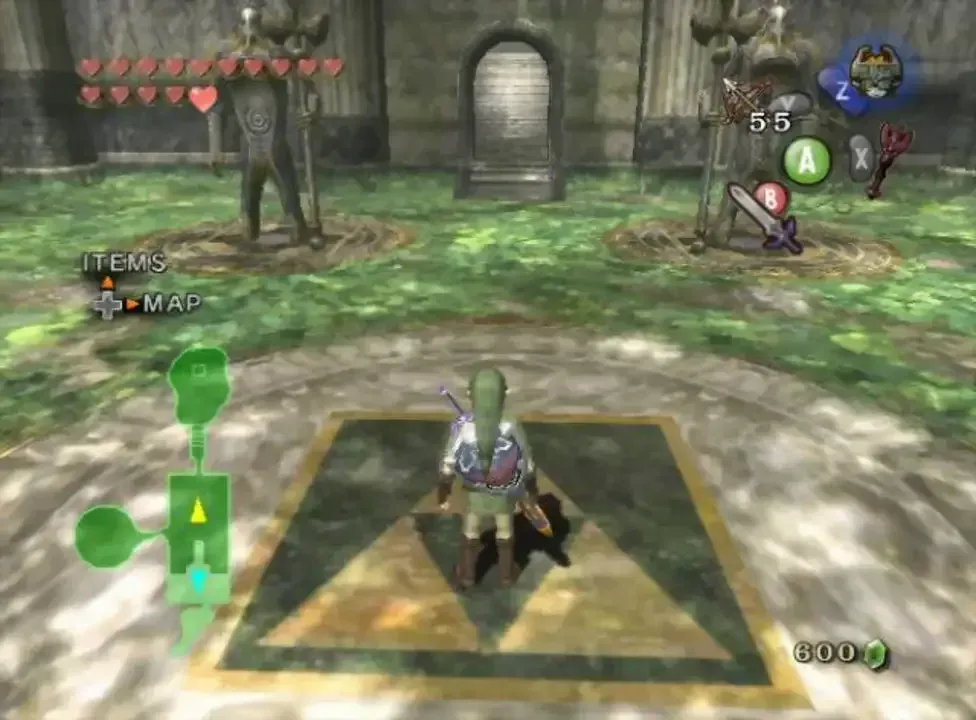
A major reverse-engineering project has reached completion, with fans successfully decompiling the source code for The Legend of Zelda: Twilight Princess. The news, first surfaced on Reddit, and shared on Decomp.dev marks a significant technical achievement for the community, opening the door for potential native ports of the 2006 GameCube and Wii title to modern systems. The decompiled files can be found on Github, but note:
"This repository does not contain any game assets or assembly whatsoever. An existing copy of the game is required.
This project itself is not, and will not, produce a port, to PC or any other platform. It is a decompilation of the original game code, which can be compiled back into a binary identical to the original."
📜 A Legacy of DecompilationThe Twilight Princess decompilation follows a well-established pattern in the retro gaming community. Successful decompilations of Super Mario 64 (2020) and The Legend of Zelda: Ocarina of Time (2021) led directly to native PC ports, high-resolution texture packs, and the creation of entirely new mods and randomizers. These projects are driven by preservation goals and a desire to modernize classic gameplay.
Decompilation, the process of translating a game's compiled machine code back into a human-readable programming language, is a monumental task. For a game of Twilight Princess's scale and complexity, it represents thousands of hours of collaborative effort. This work follows in the footsteps of similar projects for other Nintendo classics, such as Super Mario 64 and The Legend of Zelda: Ocarina of Time, which have enabled native PC ports, high-resolution texture packs, and extensive gameplay modifications.
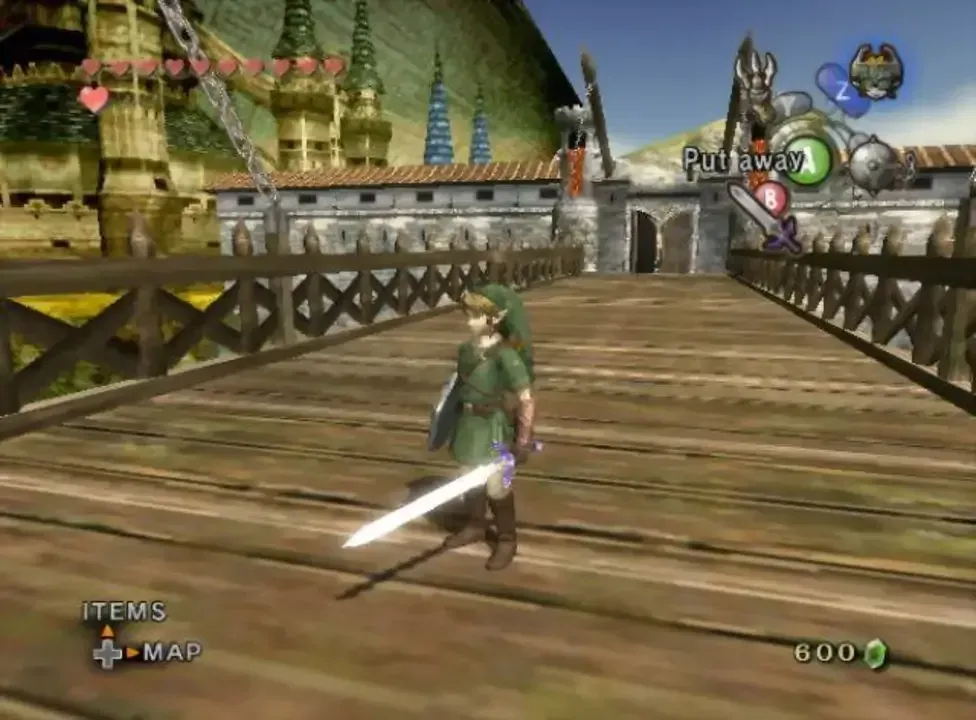
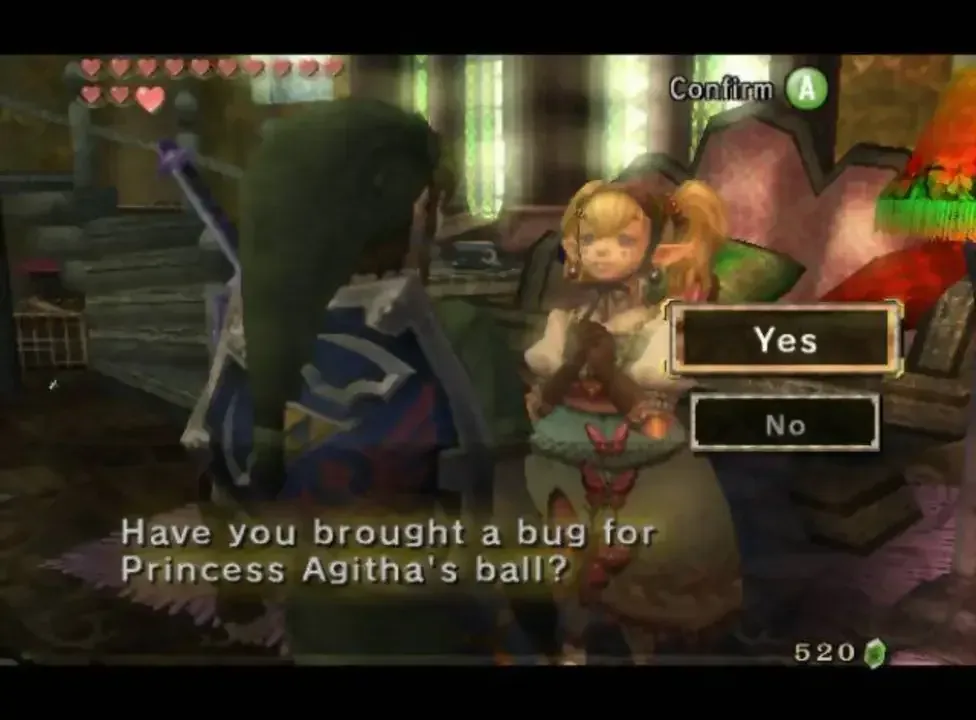
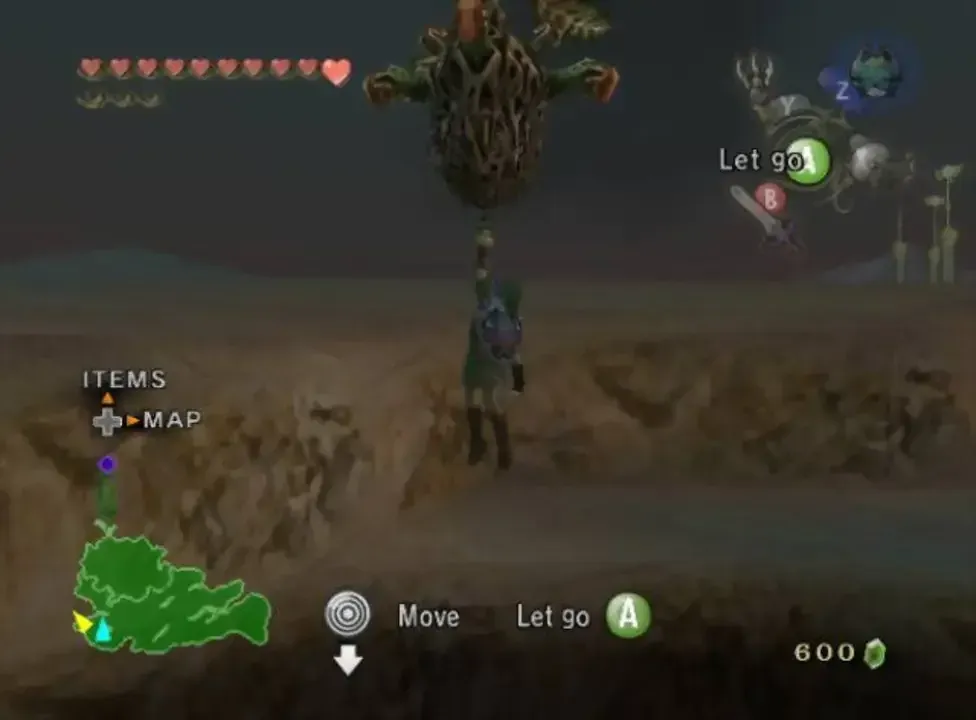
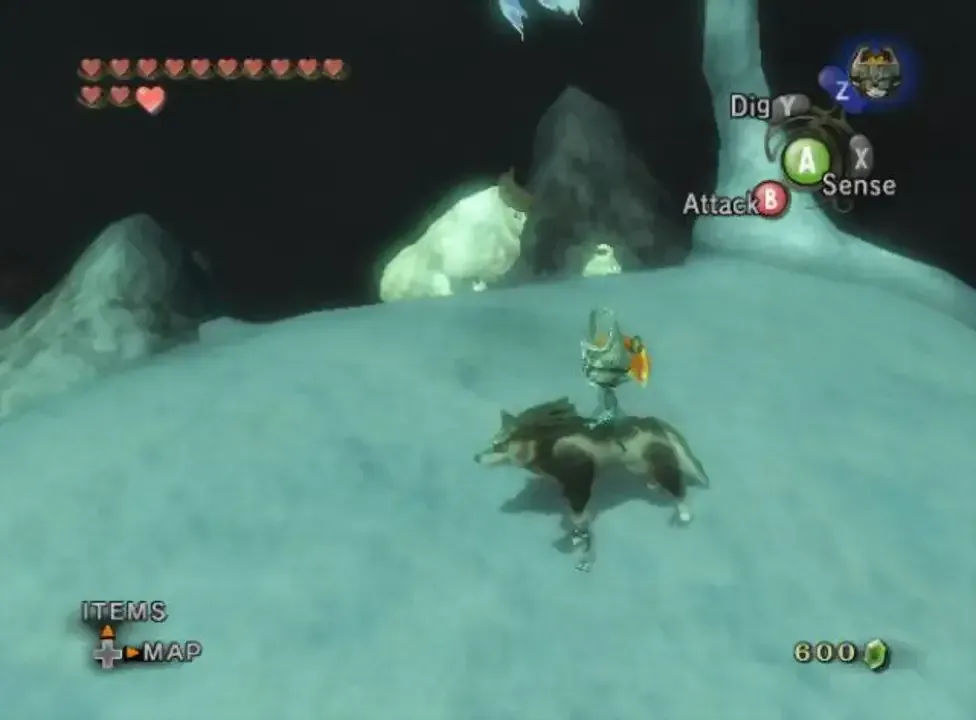
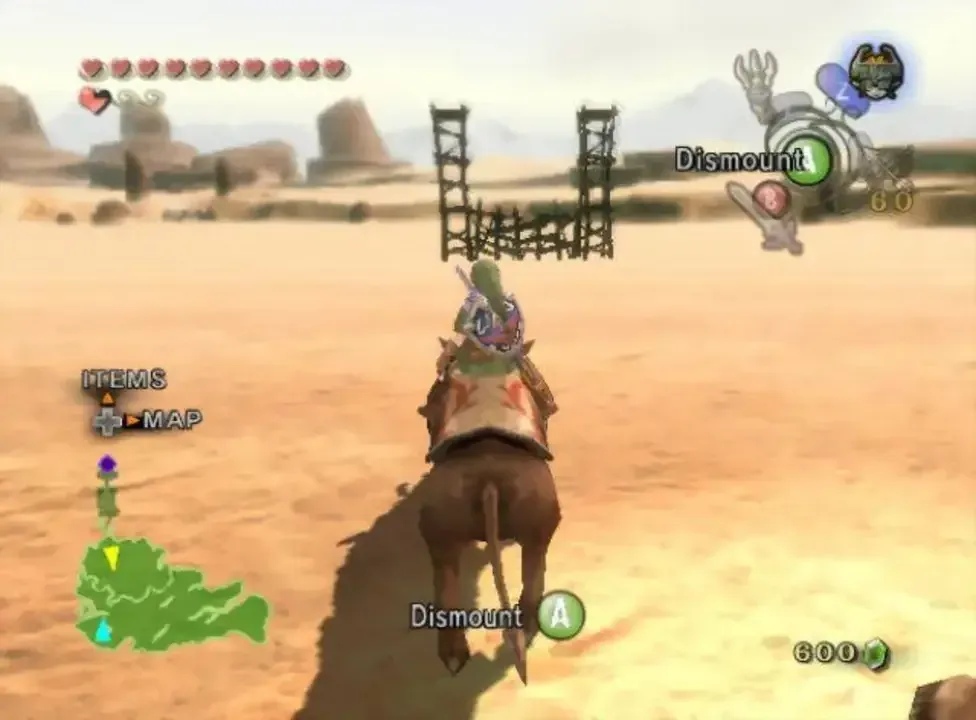
Credit: Nintendo/IGDB
The significance is substantial. While the game is playable via emulation, a fully decompiled codebase allows developers to create native versions that could run natively on platforms like the Steam Deck, Linux, or even handheld PCs without the overhead of emulating the original GameCube or Wii hardware. This can lead to better performance, custom widescreen support, and more stable high-frame-rate implementations than emulation sometimes provides. It also preserves the game's underlying logic in a form that is not dependent on ageing original hardware.
Twilight Princess itself occupies a unique place in Zelda history, serving as a stylistic bridge between the classic 3D formula and the more open-world designs that would follow. Its completion as a decompilation project underscores the enduring dedication of the fan preservation scene. While the project's existence does not guarantee official ports, it provides the essential technical foundation for a new wave of community-led enhancements and accessibility for one of Link's most ambitious adventures from the mid-2000s era.
Want more retro gaming news delivered to your inbox? Subscribe to our newsletter for weekly updates on classic gaming, preservation projects, and collector insights.