
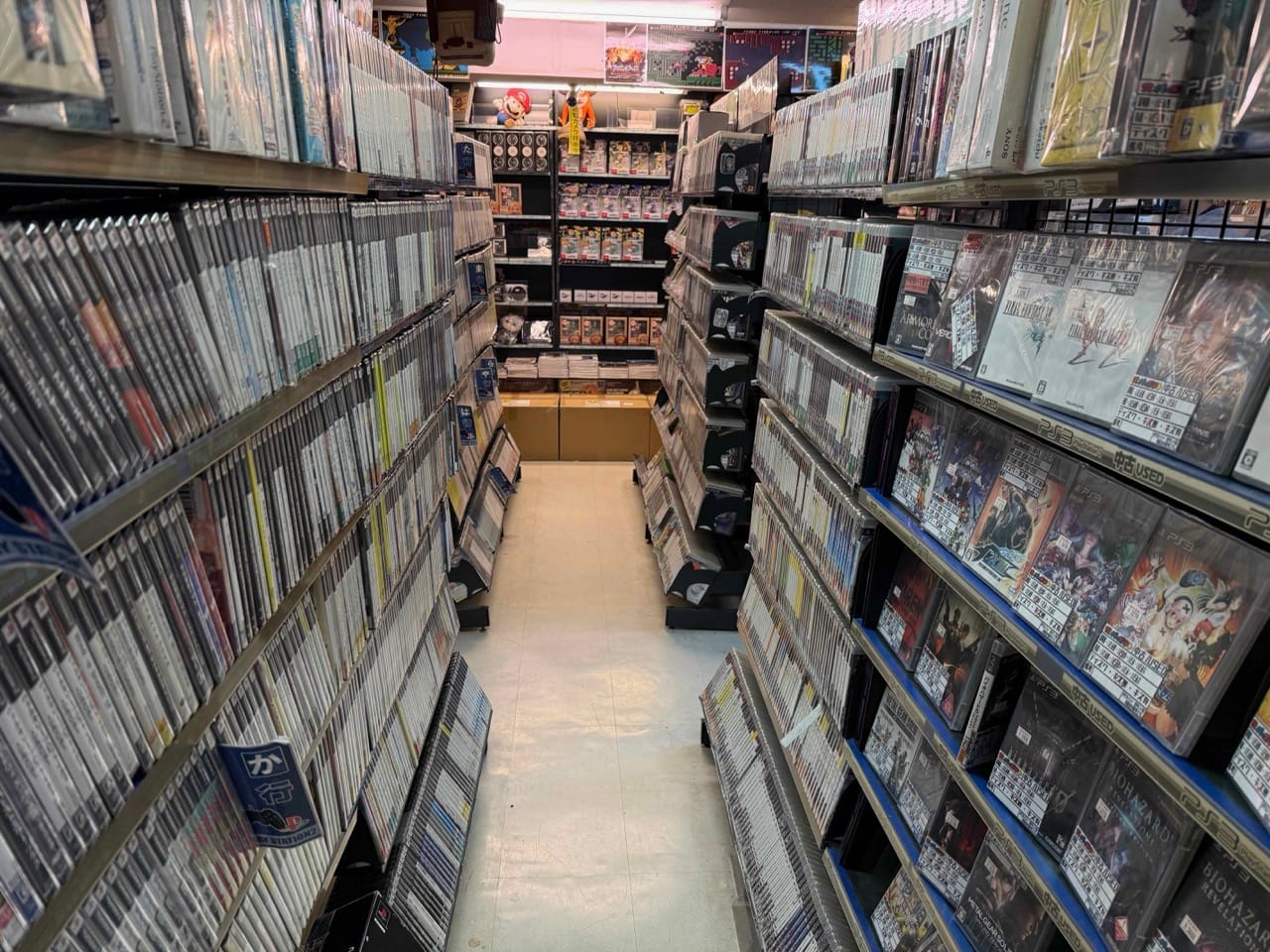
Super Potato Osaka's Retro Selection Thins As Tourist Demand Grows

A new review of Osaka's Super Potato store in Namba suggests the iconic retailer's focus is shifting, with its legendary stock of rare retro titles giving way to more tourist-friendly fare. According to a detailed report from The Japan Hobbyist, the shop's selection has noticeably thinned, with classics for systems like the PC Engine and Sega Saturn becoming scarce. Instead, shelves are increasingly populated by globally recognised franchises like Pokémon and Super Mario.
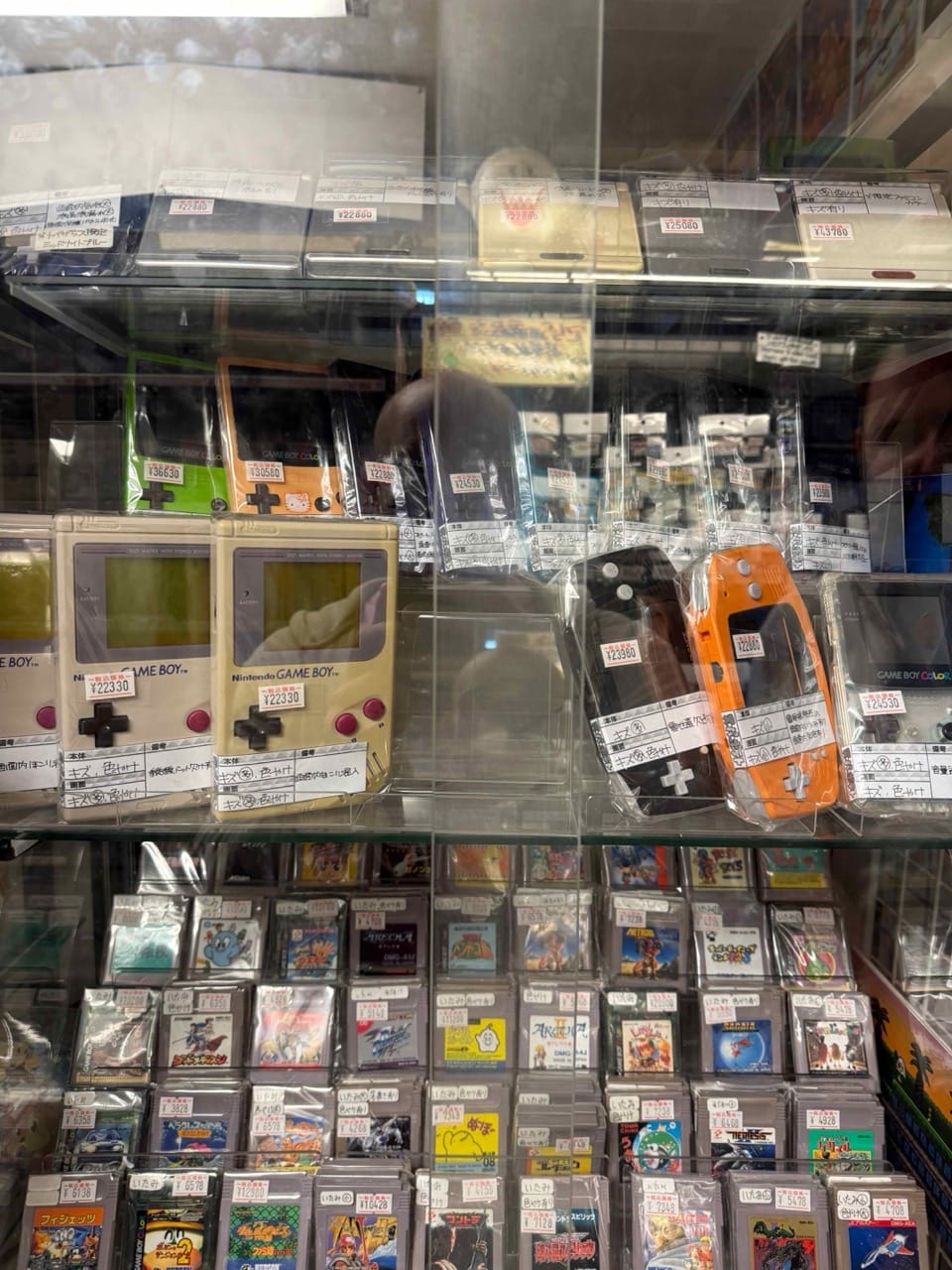
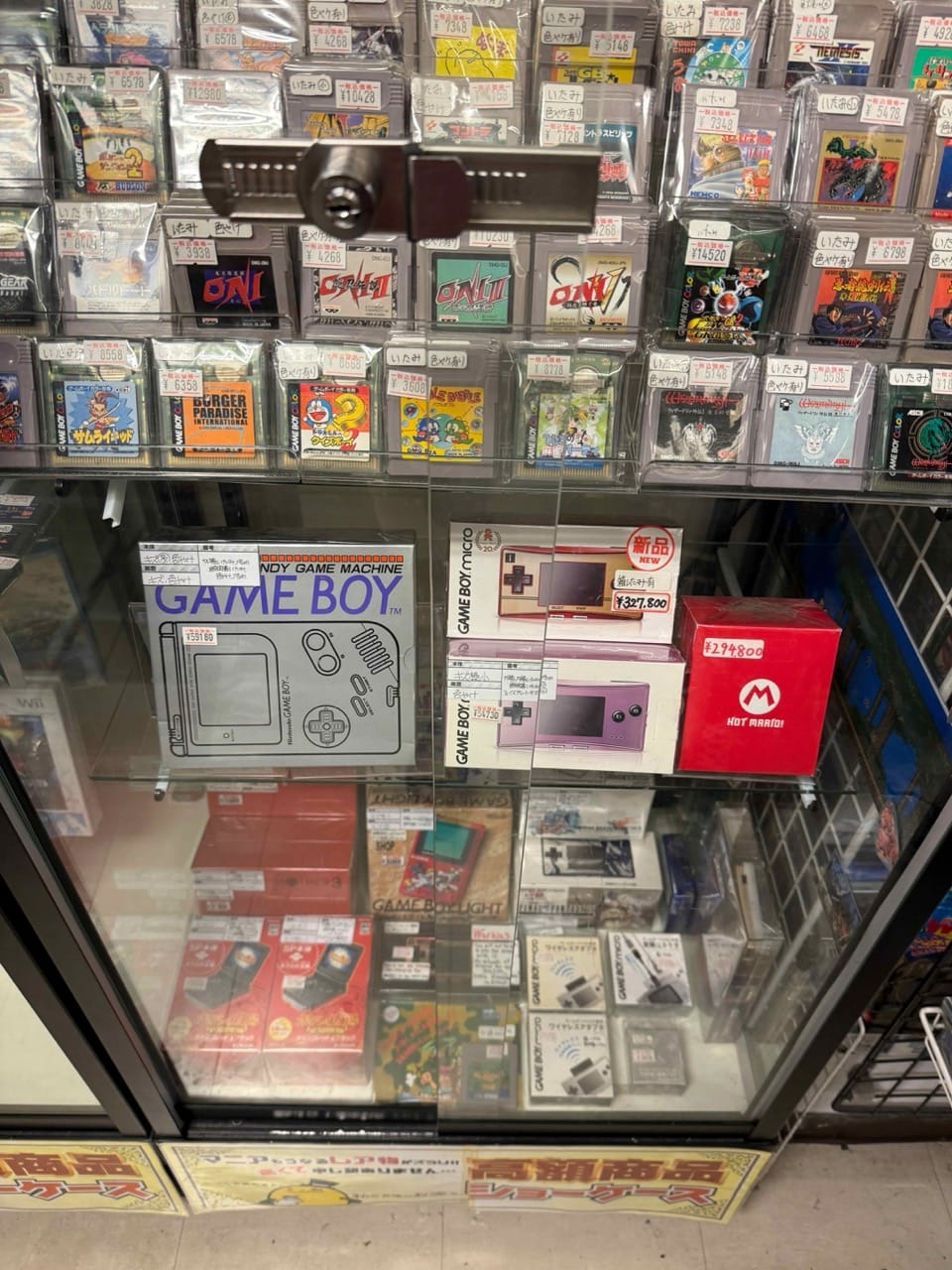
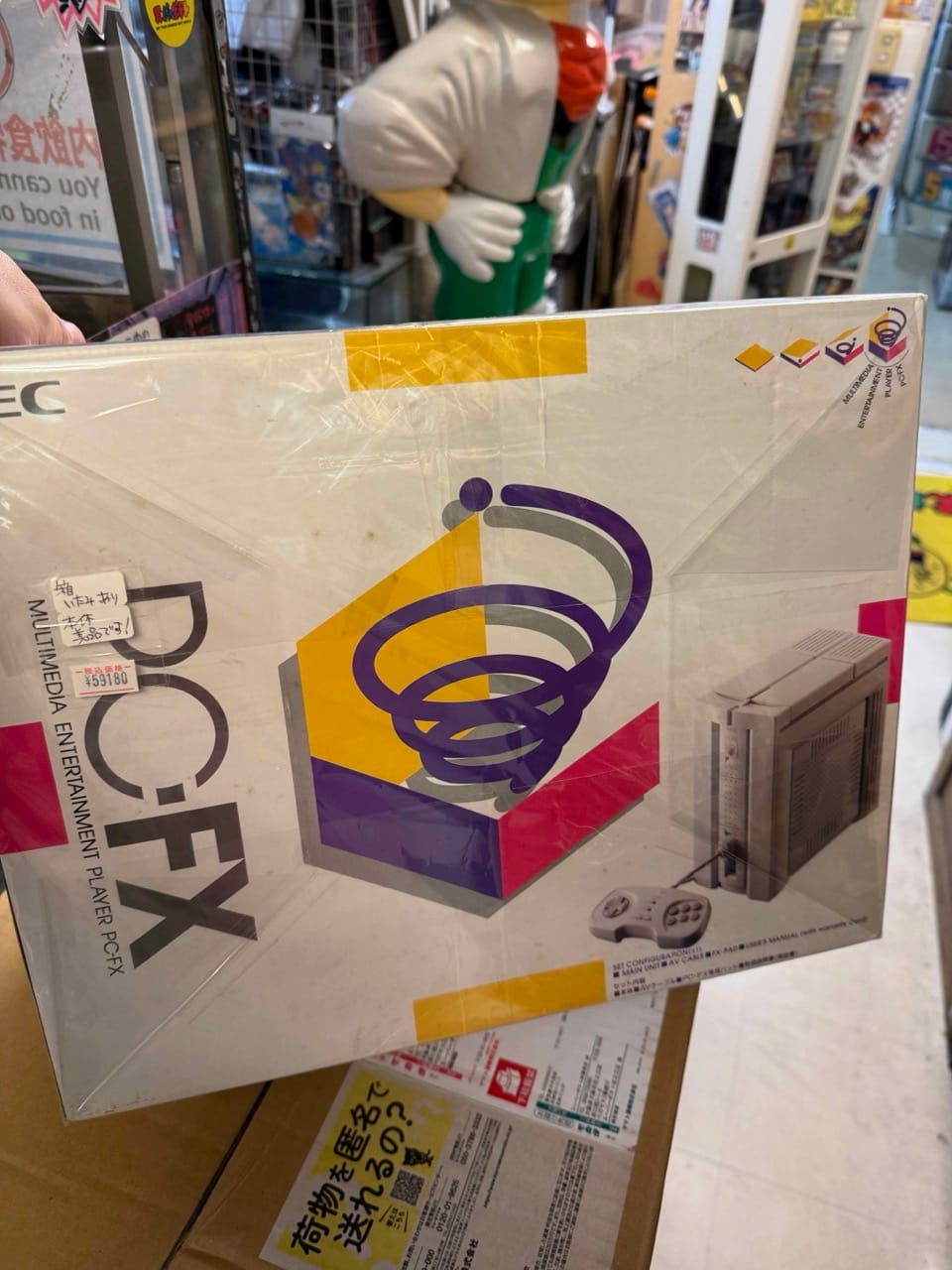
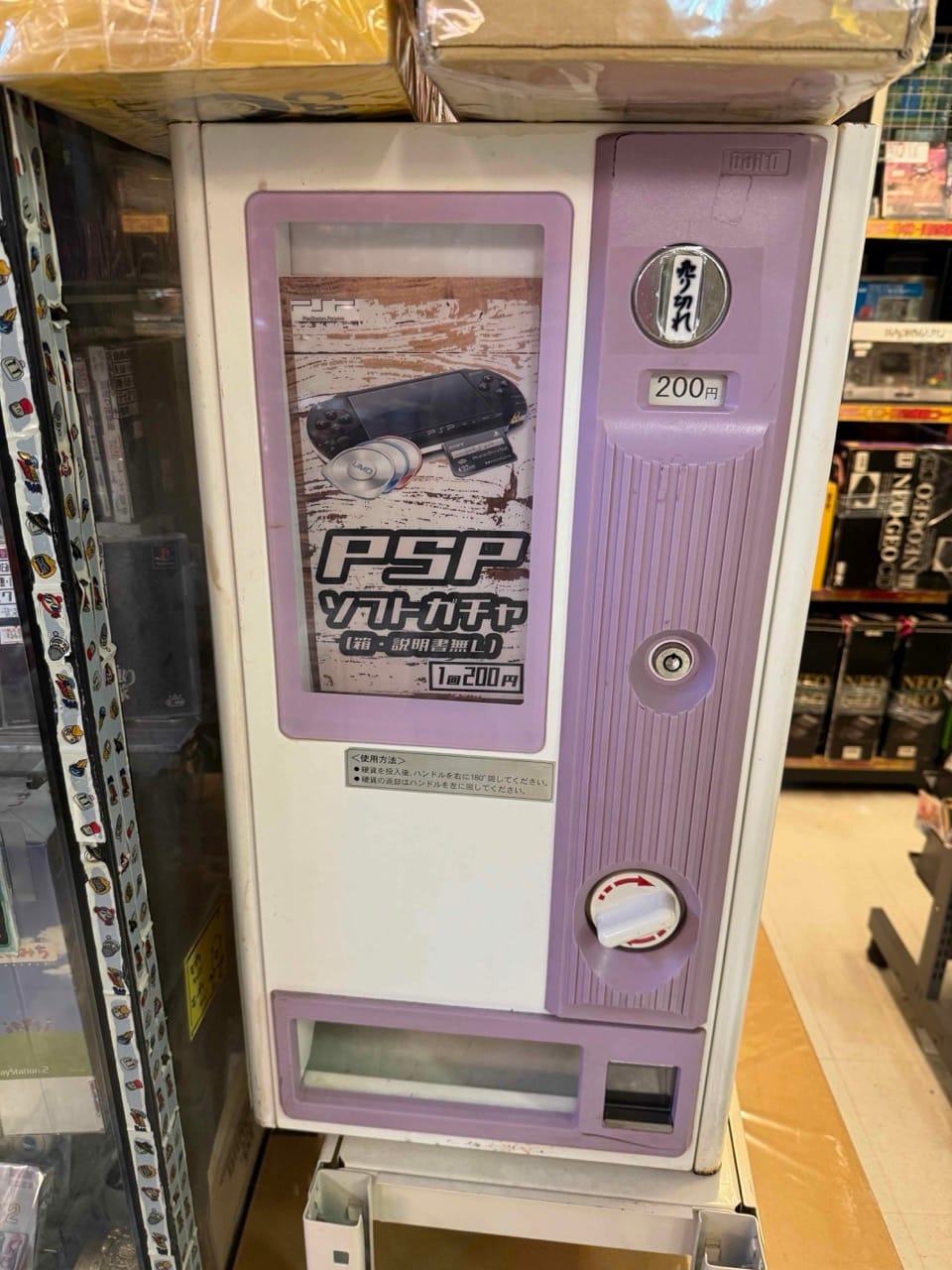
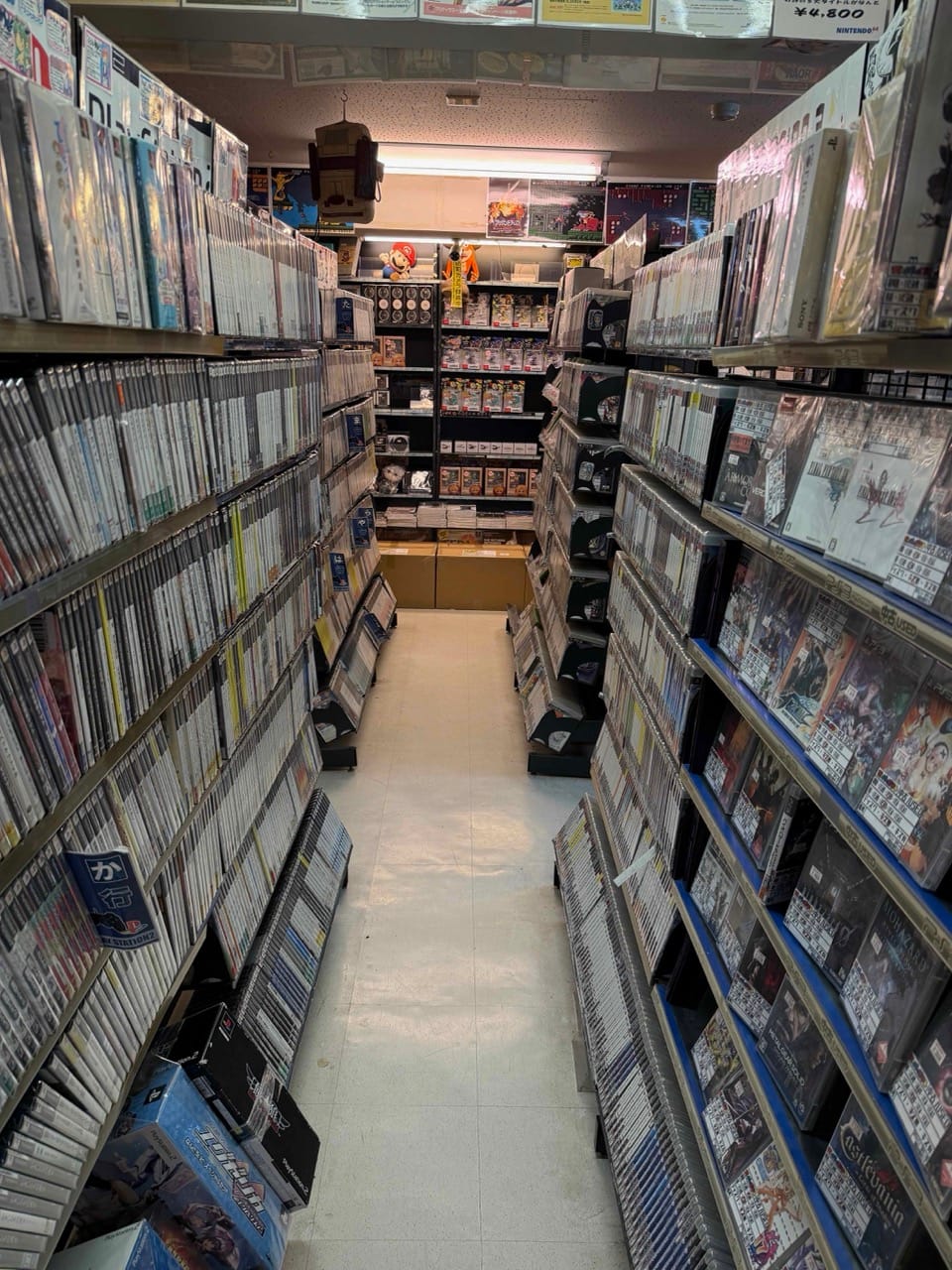
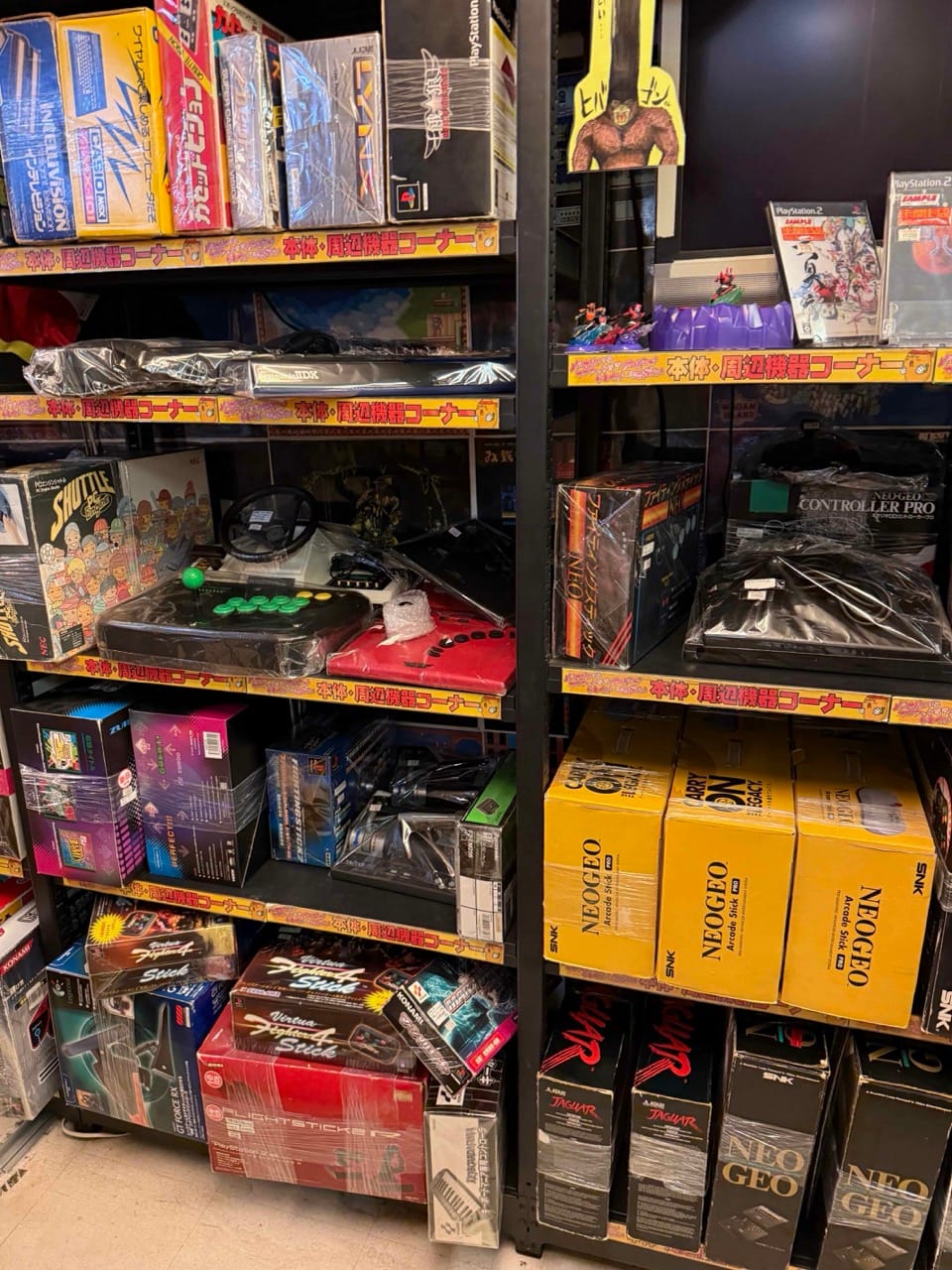
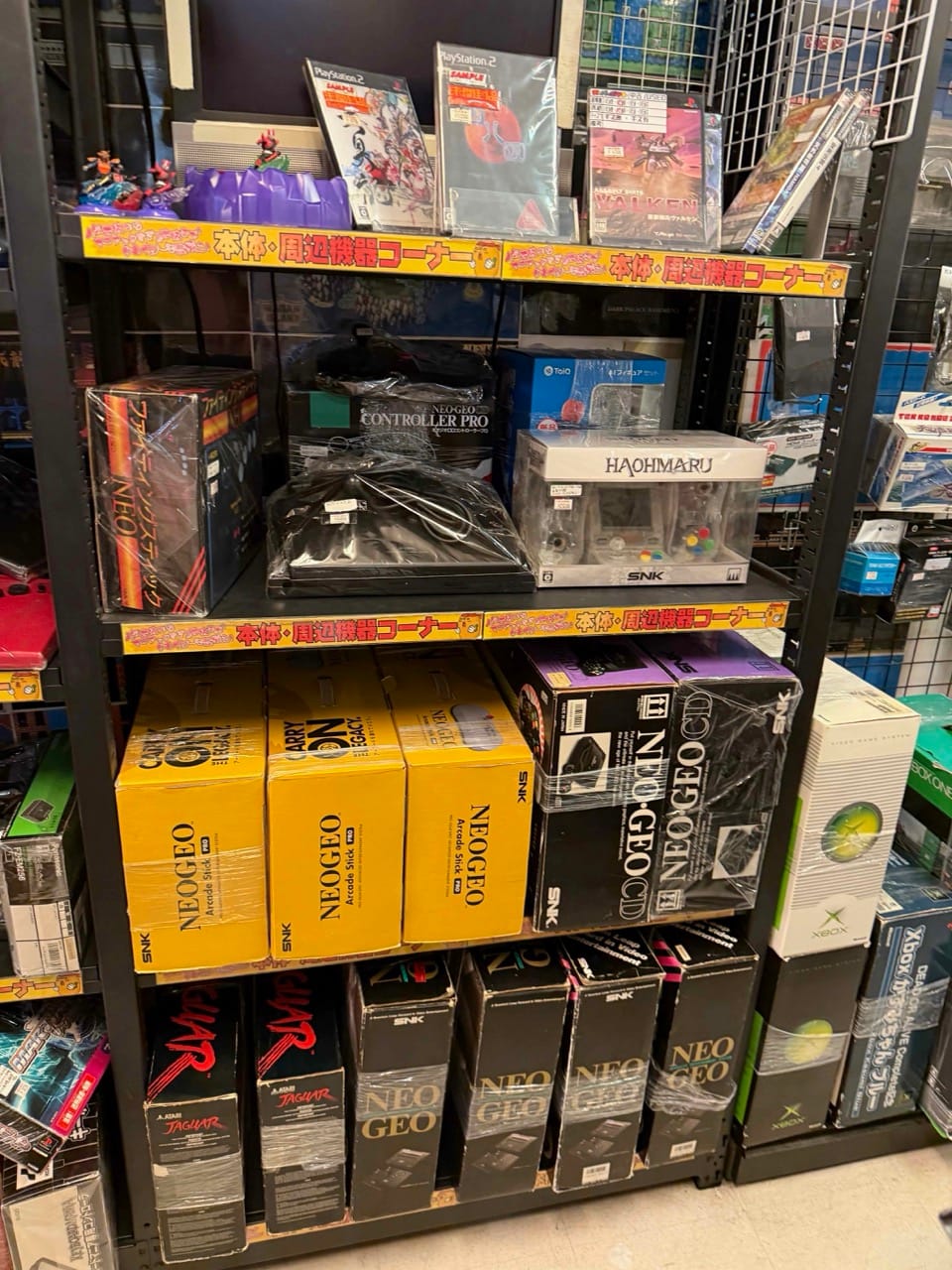
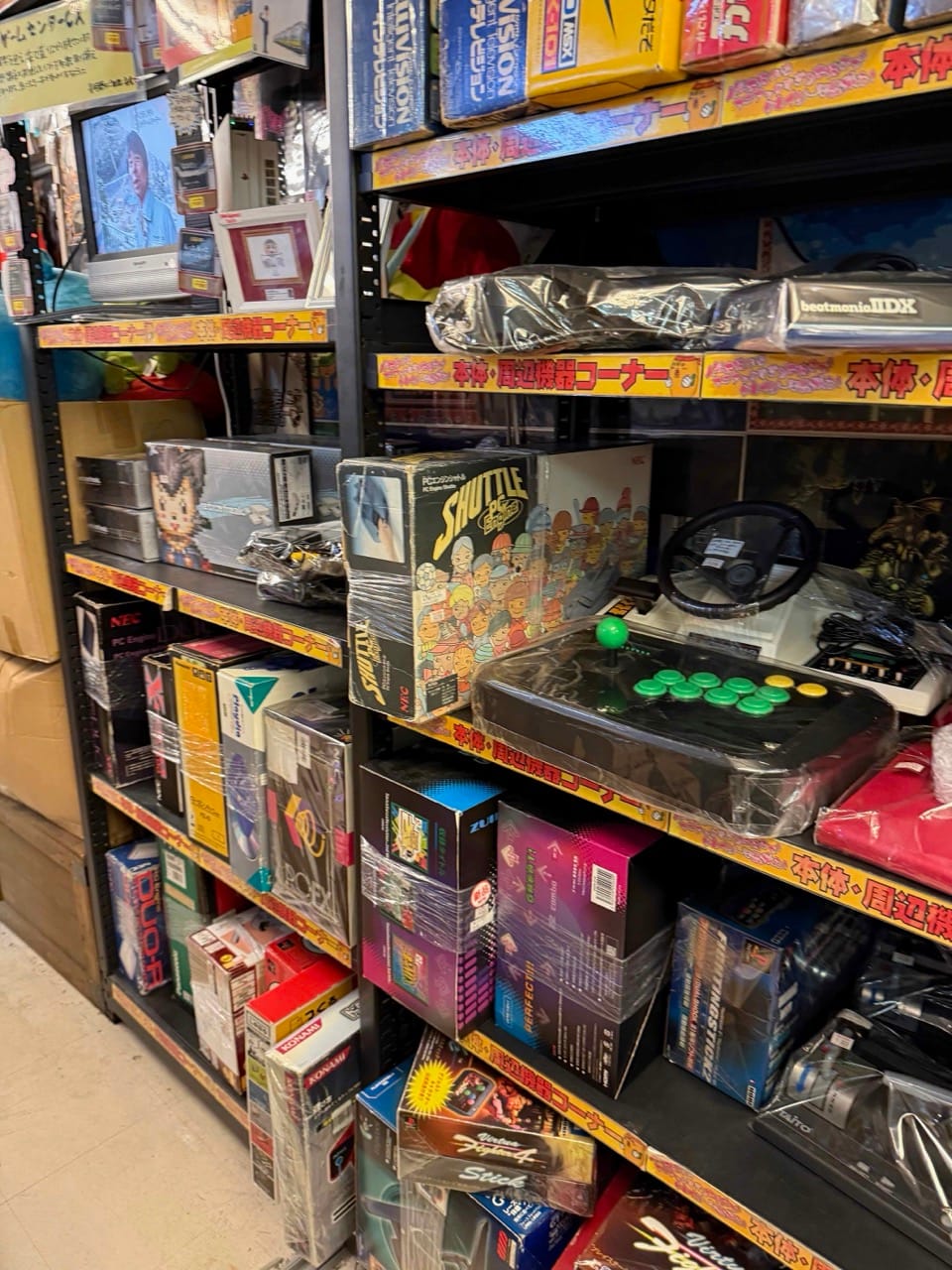
Photos from RetroShell's last trip in 2025
📜 Super Potato's OriginsThe first Super Potato store opened in Tokyo's Akihabara district in 1993, initially focusing on used Famicom and Super Famicom games. It became famous for its floor-to-ceiling displays of retro games and consoles, creating a 'museum' atmosphere that attracted both local collectors and international tourists seeking rare Japanese titles.
For decades, Super Potato has been a pilgrimage site for collectors, a place where one could hunt for elusive gems like Castlevania: Rondo of Blood on the PC Engine CD or a complete copy of Panzer Dragoon Saga for the Sega Saturn. The stores were living museums of Japan's gaming golden age, from the 8-bit Famicom-famicom-disk-system-premium-game-box-protective-case-protector/) era through to the experimental 32-bit period. The reported narrowing of focus at the Namba branch reflects a broader commercial reality, prioritising high-turnover items that appeal to international visitors over deep-cut rarities.
This evolution highlights a tension within the retro scene. While stores must adapt to survive, the loss of these physical archives makes it harder for enthusiasts to experience gaming history firsthand. Finding a Mega Man cartridge for the original Famicom or a boxed Street Fighter Zero 3 for the Sega Dreamcast was once a key part of the Super Potato experience. The review notes that prices for the popular titles that remain are still among the highest in Japan, a stark contrast to the bargain hunting possible in smaller, less central stores.
The changing stock at such a flagship location serves as a concrete indicator of the retro market's maturation. What was once a niche hobbyist's paradise is now a staple on the tourist trail, much like Akihabara's Electric Town. For the dedicated collector, the hunt for Japan's rarest games may now lead away from the most famous names and towards the country's many lesser-known, specialist retailers.