Street Fighter II Turbo Concealed A Scaling Engine For Thirty-Three Years
A hidden debug menu in Street Fighter II Turbo reveals that Capcom's 1992 arcade classic was capable of sprite scaling and rotation, defying the known limits of the CPS1 hardware.
It appears the old warhorse of the arcade scene still has secrets to yield, provided you know exactly which buttons to hold down while rebooting the machine.
For decades, the technical limitations of Capcom’s CPS1 hardware were considered absolute. Unlike the Neo Geo, which could scale sprites with the ease of an accordion player, or the Super Nintendo’s Mode 7 that dazzled us with rotating backgrounds, the board that powered Street Fighter II was a rigid beast. It pushed pixels, certainly, but it did not shrink them.
Or so we thought.
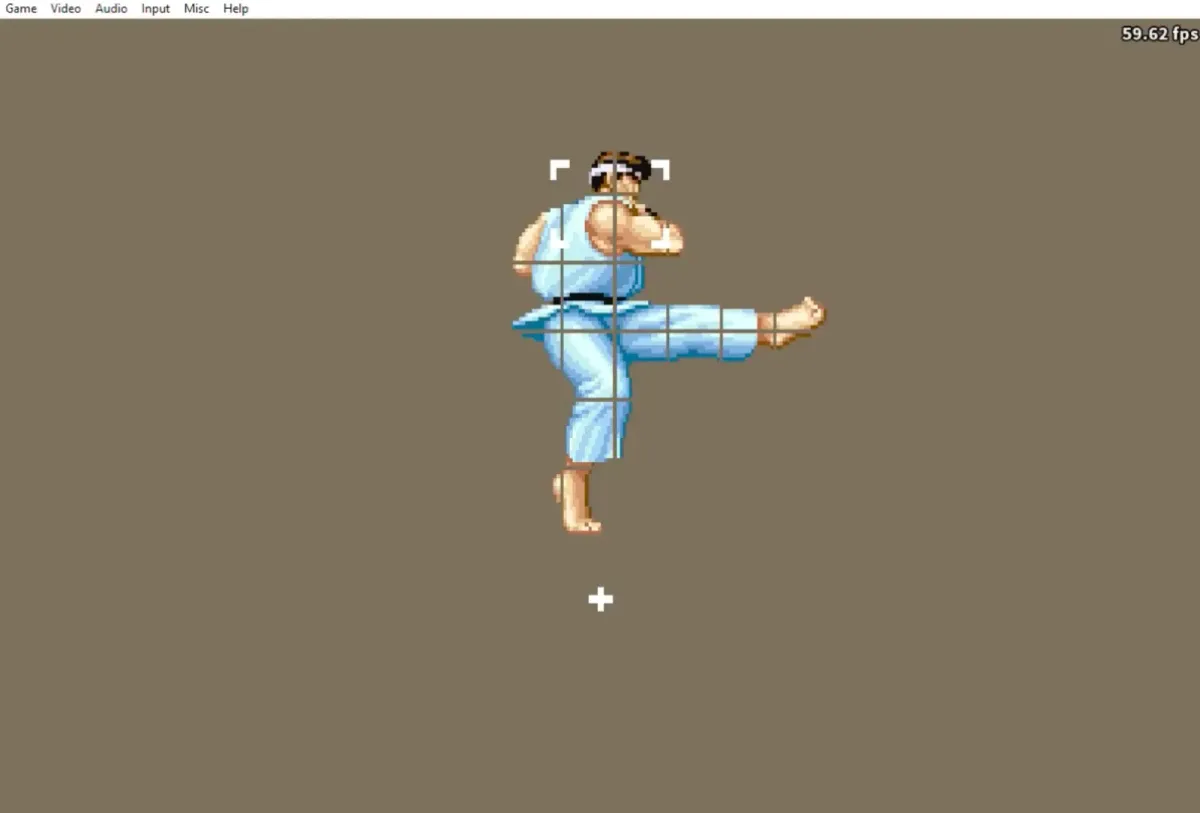
In a discovery that has left the preservation community scratching its collective head, digital archaeologist TurboAnnihilate has unearthed a fully functional debug menu within the arcade code of Street Fighter II Turbo: Hyper Fighting. The function does the impossible: it enables real-time scaling and rotation of character sprites.
The implications of this find are significant. We are not talking about a simple background trick. The footage shared by the discoverer shows Chun-Li and Ryu being stretched, squashed, and spun around with a fluidity that the hardware supposedly lacked. This suggests that Capcom’s engineers had developed a software-based solution to mimic the scaling effects of their rivals at SNK, potentially years before the CPS2 hardware would make such features standard.
Why was it buried? One can only speculate. Perhaps the processing overhead was too high for a frantic two-player bout, or maybe it was merely a testing tool for the "Super Deformed" aesthetic that would later surface in Pocket Fighter.
Accessing the menu is a convoluted affair that involves dip switches, specific button holds on both player inputs, and a fair amount of patience. It is exactly the sort of obscure playground rumour that usually turns out to be false, only this time, the code is real.
You can see the feature in action via the original announcement below.