
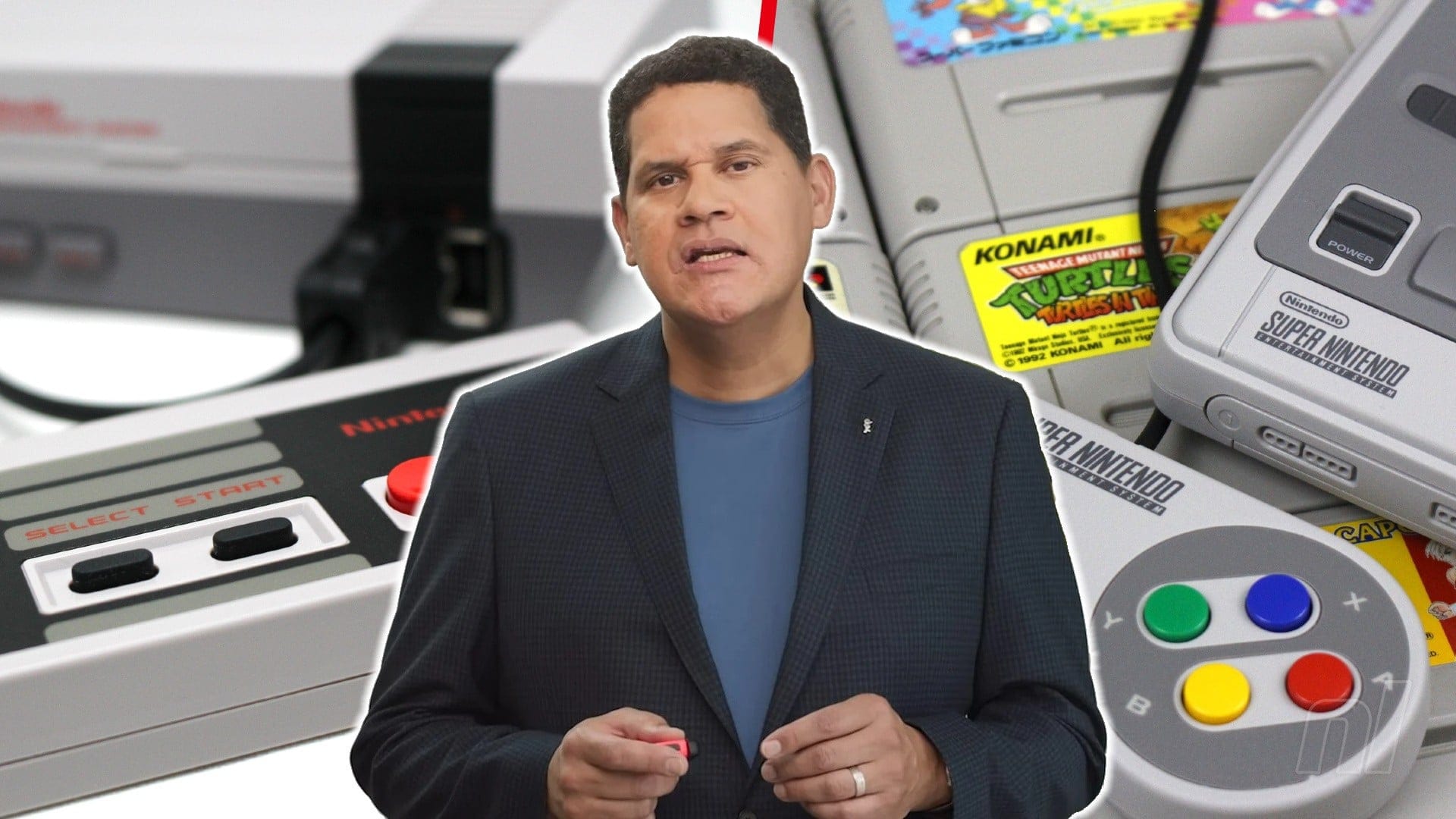
Reggie Says Classic Consoles Kept Wii U Going

In London, retro fans have another reminder of how Nintendo used nostalgia at a key moment. Former Nintendo of America president Reggie Fils-Aimé has said the NES Classic and SNES Classic were a business move to help sustain the company while the Wii U was struggling.
Speaking at the NYU Game Center Lecture Series, Reggie said, “We did that to sustain our business, because we needed something to sell at volume come the holiday season.” He also described the Wii U as “on life support”, which is the clearest version yet of his view on why those mini consoles existed.
This was not the first time he had framed them that way. In an earlier interview with Kotaku, he called them “limited time opportunities” that helped bridge the gap before Nintendo Switch arrived. For readers following Nintendo news, you can also keep an eye on our News tag for more updates.
The NES Classic Edition and SNES Classic Edition were not just nostalgia products. Nintendo needed sales during the holiday season, and the company was still dealing with the Wii U’s weak performance. Reggie’s comments make that strategy plain, these systems were designed to move units quickly, not to become a permanent hardware line.
That approach paid off. By late 2019, the two Classic systems had sold more than 10 million units combined. Their limited production runs also helped create strong demand on the secondary market, especially for boxed examples. They remain a notable part of Nintendo’s history because they were built for a specific moment, and that moment was the end of the Wii U era.
Nintendo has since shifted towards Nintendo Switch Online, which offers access to classic games through a subscription service instead of dedicated mini consoles. That makes an N64 Classic Mini look unlikely, at least for now. For official Nintendo information on the current retro library, see Nintendo’s main site and Nintendo UK.
Originally published by Nintendo Life. Read original article.