Nintendo Music App: A New Front in IP Control

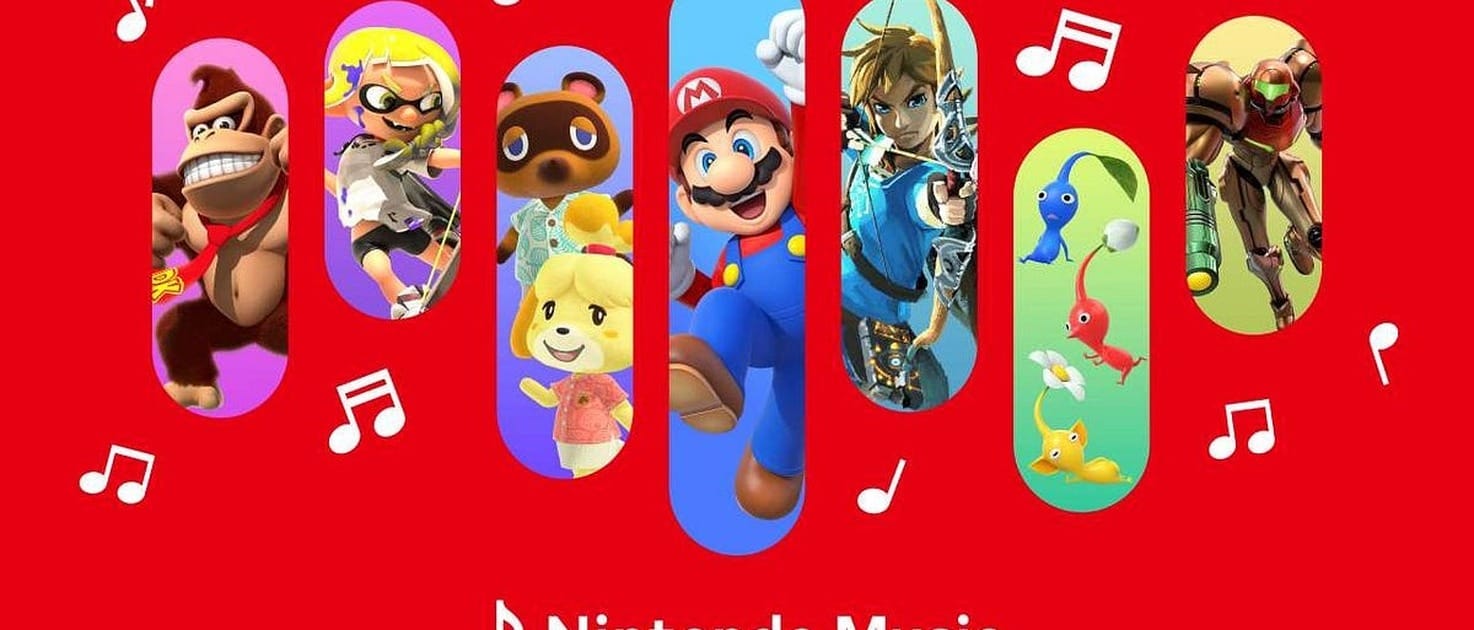
Nintendo has launched a dedicated music application, Nintendo Music, for its Switch Online subscribers, a move that quietly reasserts the company's long-held position on intellectual property control over its extensive audio catalogue.
The app, available at no additional cost to those with a Nintendo Switch Online membership, streams soundtracks from a growing selection of Nintendo's game library. This initiative, as reported by The Shortcut, appears to be a direct response to the widespread, unofficial distribution of Nintendo's musical works on platforms such as YouTube Music.
The Shortcut's article, penned by Senior Editor Adam Vjestica, notes that Nintendo continues to add new tracks and franchises monthly. Initial offerings include music from Super Mario Bros. Wonder, Wii Sports, F-Zero X, Donkey Kong Country 2: Diddy’s Kong Quest, Dr. Kawashima’s Brain Training, Splatoon 2, Wave Race 64, The Legend of Zelda: Skyward Sword, Super Mario 64, and Donkey Kong Country 3: Dixie Kong’s Double Trouble!.
The Rationale Behind the Release
The real story here is not simply the provision of a new service, but the ongoing consolidation of Nintendo's intellectual property. For a company that has historically been quite protective of its creative output, particularly its audio assets, this app represents a formalisation of control. It brings a significant portion of its musical heritage under a proprietary umbrella, rather than allowing it to circulate freely, or indeed, be monetised by third parties.
This strategy also adds demonstrable value to the Nintendo Switch Online subscription service. Subscribers already gain access to a library of classic games from platforms like the Nintendo Entertainment System and Super Nintendo Entertainment System. The inclusion of a dedicated music streaming service, particularly one with a unique catalogue, strengthens the overall proposition for existing and prospective members.
What the App Offers Subscribers
Functionally, Nintendo Music operates much like other streaming applications. It allows for background play, offline listening, and the creation of custom playlists. A notable feature is the ability to extend or loop tracks for up to 60 minutes, which is a practical consideration for those who use game music for concentration or relaxation.
The app also offers recommendations based on a user's Nintendo Switch play history, a clever integration that personalises the experience. Each track is accompanied by an in-game screenshot, though there is an option to hide this art for users concerned about spoilers for unplayed titles. This attention to detail suggests a considered approach to user experience within the confines of Nintendo's ecosystem.
A Broader View of Nintendo's Strategy
Nintendo's approach to its intellectual property has long been characterised by a firm, some might say uncompromising, stance. This is not a new development; the company has consistently pursued legal action against fan projects, unofficial ROM archives, and content creators who use its assets without explicit permission. The Nintendo Music app is another manifestation of this consistent policy, moving to officially curate and distribute content that was previously in a more ambiguous legal space.
This move also reflects a broader trend among major media companies to bring their content in-house, creating walled gardens for their intellectual property. While it offers a convenient and official avenue for fans to access beloved soundtracks, it simultaneously reduces the reliance on external platforms and the associated issues of copyright enforcement and revenue sharing.
Implications for Fan-Created Content
The introduction of an official music app will inevitably affect the landscape for fan-created content and unofficial archives. While the app provides a legitimate source for many popular tracks, it also reinforces Nintendo's ownership claims. This could lead to increased scrutiny or enforcement against content that continues to exist outside of official channels.
For archivists and preservationists, this development presents a mixed outcome. On one hand, an official, curated collection ensures a certain level of quality and accessibility. On the other, it centralises control, potentially limiting the scope for independent archival efforts or creative uses of the music. The quiet politics of preservation often involve a tension between corporate control and community access, and this app sits squarely within that dynamic.
Looking ahead, the question remains whether Nintendo will expand the app's availability beyond Switch Online subscribers or to other platforms. The Shortcut's article expresses a hope for web and other device compatibility, which would broaden access considerably. For now, it serves as a clear statement of intent regarding Nintendo's valuable audio catalogue and its place within the company's subscription service strategy.
Prefer your retro news in one weekly dose? The RetroShell Substack ships on Mondays, curated by the same people who write the site.
Follow RetroShell on X for daily retro gaming news. Join the community on r/RetroShell.
Originally published by The Shortcut. Read original article.