Why Video Game Villains Outshine Heroes

In RetroShell news terms, this is a familiar gaming debate, and one that keeps coming back: why do some villains stick in the mind more than the heroes? In a lot of games, the antagonist gets the sharper design, the bigger entrance, and the lines that players quote years later.
That pattern is easy to see in Castlevania: Circle of the Moon, where Dracula’s commanding presence and elaborate final form can overshadow Nathan Graves, the player character. The same idea runs through many classic games, where the villain is written and staged to leave a stronger impression than the person holding the controller.
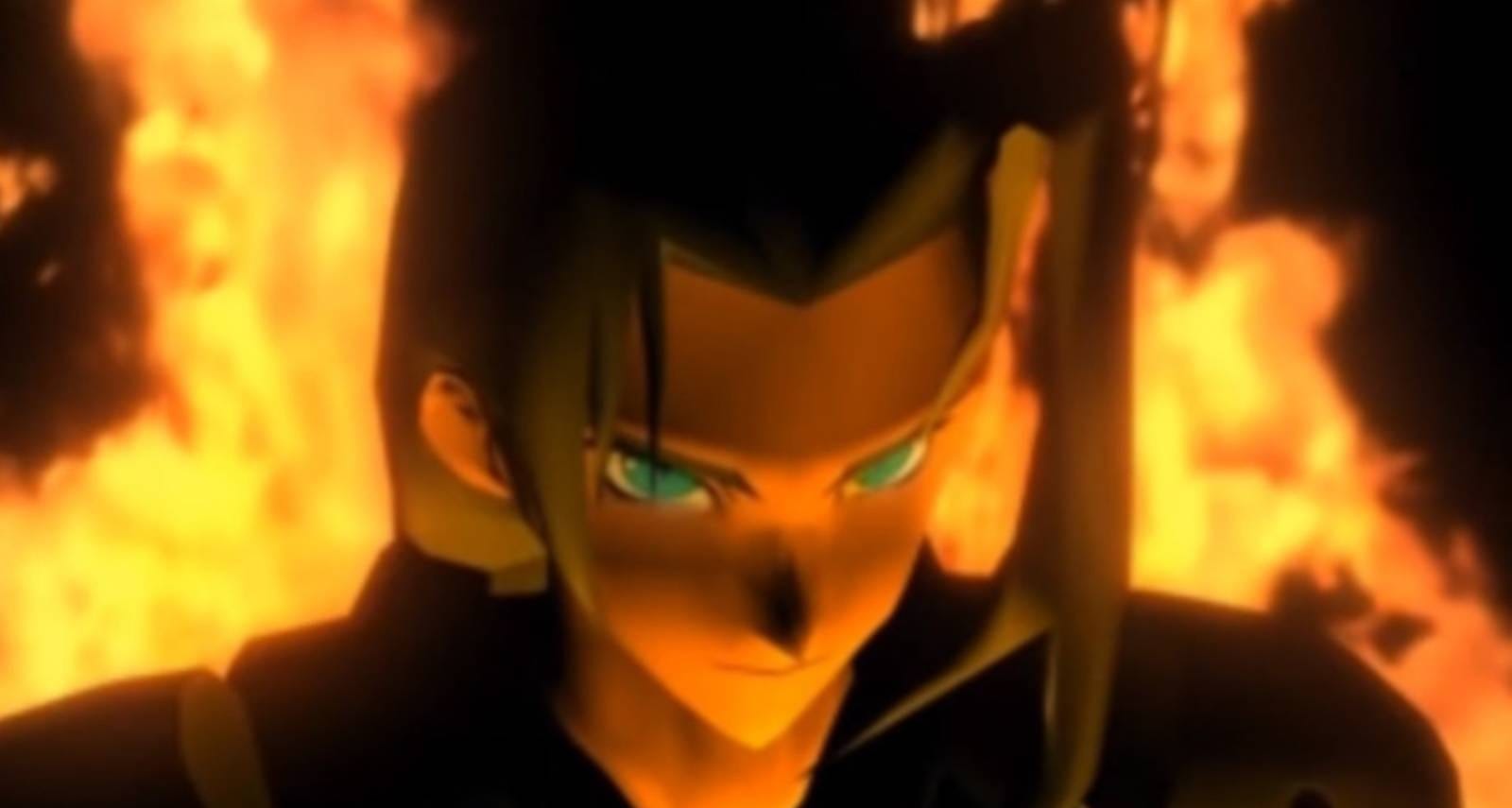
Sephiroth from Final Fantasy VII is one of the clearest examples. His silver hair, Masamune blade, and carefully paced backstory give him a lasting cultural footprint. The game’s use of Professor Gast’s recordings helps build that sense of layered threat, while the Nibelheim scene, with Sephiroth walking through the flames, turns him into something larger than a standard boss fight.
Dracula has a similar effect across the Castlevania series, and especially in Circle of the Moon. Nathan Graves is framed as the chosen whip-wielder, but Dracula’s theatrical delivery and grotesque final form, with multiple mouths, a huge tail, and laser and comet attacks, make the final encounter the part most players remember.
The same goes for Micolash, Host of the Nightmare, in Bloodborne. The Soulsborne approach often puts the spotlight on bosses and lore rather than the player avatar, and Micolash fits that perfectly. His Mensis Cage, rambling dialogue, chase sequence, and use of A Call Beyond give him a strange, unsettling presence that suits his role as leader of the School of Mensis.
Gruntilda Winkybunion from Banjo-Kazooie shows how humour can work just as well as menace. Her rhyming dialogue, green skin, broomstick, and cauldron make her instantly recognisable, while her taunts and reactions to cheat codes give her more personality than a simple end-of-level villain. Even after defeat, she keeps coming back in skeletal and skull form, which only adds to her staying power.
Giovanni and Team Rocket in Pokémon also fit the pattern. Giovanni’s move from Gym Leader to criminal boss, and later his role in Pokémon Ultra Sun and Ultra Moon as leader of Team Rainbow Rocket, gives him unusual longevity. His menace, strategy, and repeated appearances help him stand out in a series where the player characters are often silent and deliberately plain.
Pyramid Head from Silent Hill 2 is a different case, because he is not a villain in the usual sense. He is a manifestation of James Sunderland’s guilt and trauma, but his triangular helmet and brutal weaponry have made him one of the most recognisable figures in horror gaming. That is the wider point here, a strong antagonist design can carry a game’s memory long after the hero fades.