Hell Freezes Over: Developer Gets Diablo Intro Running On Dreamcast Using Go

For the last two decades, if you wanted to write software for Sega’s final, beautiful failure, you had two choices: C or C++. These were the languages of the metal, the only tools sharp enough to carve performance out of the console's modest 16MB of RAM and its Hitachi SH4 CPU.
Enter Panagiotis Georgiadis (known online on X as drpaneas), who looked at the Dreamcast’s constrained architecture and apparently decided it was the perfect environment for Go, Google’s modern, garbage-collected language usually reserved for cloud servers and microservices.
In a move that feels equal parts brilliant and technically masochistic, Georgiadis has released godc and libgodc, a comprehensive toolchain and runtime library that allows developers to write Dreamcast games using Go.
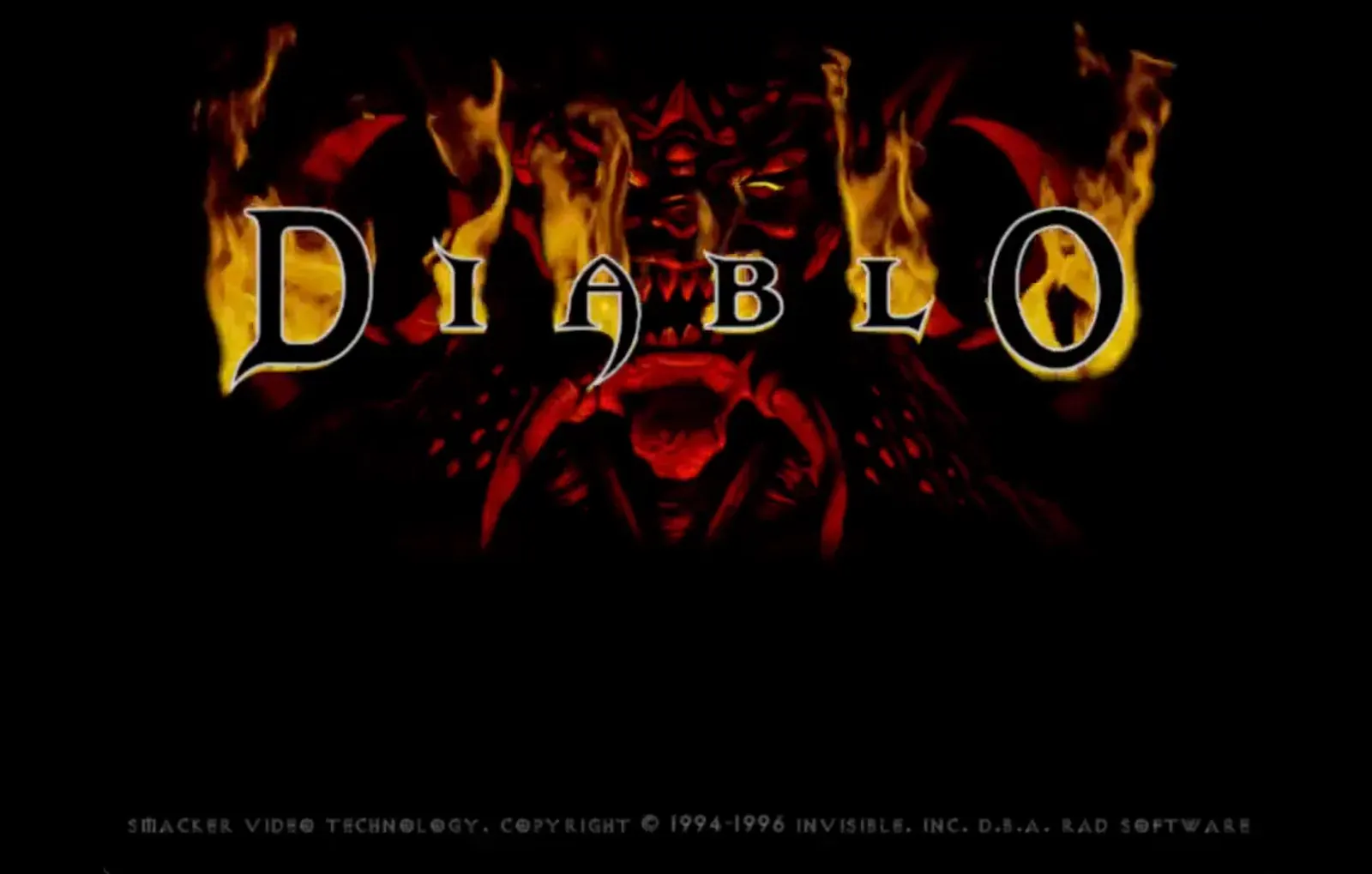
To prove this isn't just a theoretical exercise, he has showcased a functional demo of the Diablo intro sequence and menu running on the hardware.
I made it possible to write #golang code for the Sega #dreamcast. Yes, the 1999 console. Yes, real Go with goroutines and channels. Here's intro of #diablo running on actual hardware pic.twitter.com/fUuYzIXtSP
— drpaneas (@PanosGeorgiadis) December 29, 2025
The "Impossible" Port
The demo is striking. Seeing the iconic Blizzard North logo and the moody Tristram menu rendered on a Dreamcast is one thing; knowing it is running via a Go runtime is quite another.
Go is famous for its ease of use and concurrency features (goroutines), but it is also known for having a relatively heavy runtime overhead compared to C. It manages memory automatically, meaning the system periodically pauses to clean up unused data ("garbage collection"). On a modern server with 64GB of RAM, this is negligible. On a console from 1999 that screams if you try to load too many high-res textures, it should be a disaster.
Yet, Georgiadis seems to have pulled it off. By utilising gccgo (a frontend for the GCC compiler) and building a custom runtime that integrates with KallistiOS (the standard Dreamcast homebrew development library), he has created a environment where Go's modern features—channels, slices, and goroutines—actually function on the white swirl.
Why Do This?
According to the documentation released on GitHub, libgodc is not a half-hearted wrapper. It is a serious attempt to bring modern development conveniences to retro hardware.
"The Dreamcast has 16MB RAM and a 200MHz SH4 CPU," Georgiadis notes. "Getting Go to run on this required implementing a custom scheduler, garbage collector, and memory management."
The project opens a bizarre but fascinating door for homebrew development. It allows coders who have cut their teeth on modern web stacks to potentially dabble in retro console development without relearning the dark arts of manual memory management in C.
While we are unlikely to see a full speed, 60fps port of Crysis written in Go on the system, the Diablo demo serves as a powerful statement of intent. The Dreamcast is not just alive; it is evolving.
You can find the project repositories and the demo footage below.
View the Diablo Demo on X Check out the godc Toolchain on GitHub Explore the libgodc Runtime Library
For more impossible ports and the rest of the week's retro news in a single roundup, subscribe at https://retrogamingnews.substack.com/