
Console Wars Fade as Gaming Goes Cross-Platform

In the UK, the old console wars now feel more like a memory than a daily argument. The fierce loyalty that once split players into Nintendo, Sega, PlayStation and Xbox camps has softened, and that shift says a lot about how gaming culture has changed.
As ComicBook Gaming notes, the tribal brand loyalty that defined the 1990s and 2000s has faded. Where a console choice once shaped playground debates and even friendships, many players now move between platforms with far less fuss.
That older era was built on clear rivalries. The source article recalls a childhood split between Nintendo and Sega households, with Sonic speed set against Nintendo's stronger first-party line-up. Later, the contest widened into Nintendo, Sega and Sony, then Sony, Microsoft and Nintendo. Those arguments often centred on exclusive series and character match-ups, from Link and Cloud to Master Chief and Solid Snake.
The market has changed around that culture. Digital distribution, especially Steam, and the rise of mobile gaming mean many players are no longer tied to one machine. A lot of people now use Steam, play on phones and still own one or more consoles, which naturally weakens single-platform loyalty. For readers following the wider industry, our news coverage often tracks these shifts as they happen.
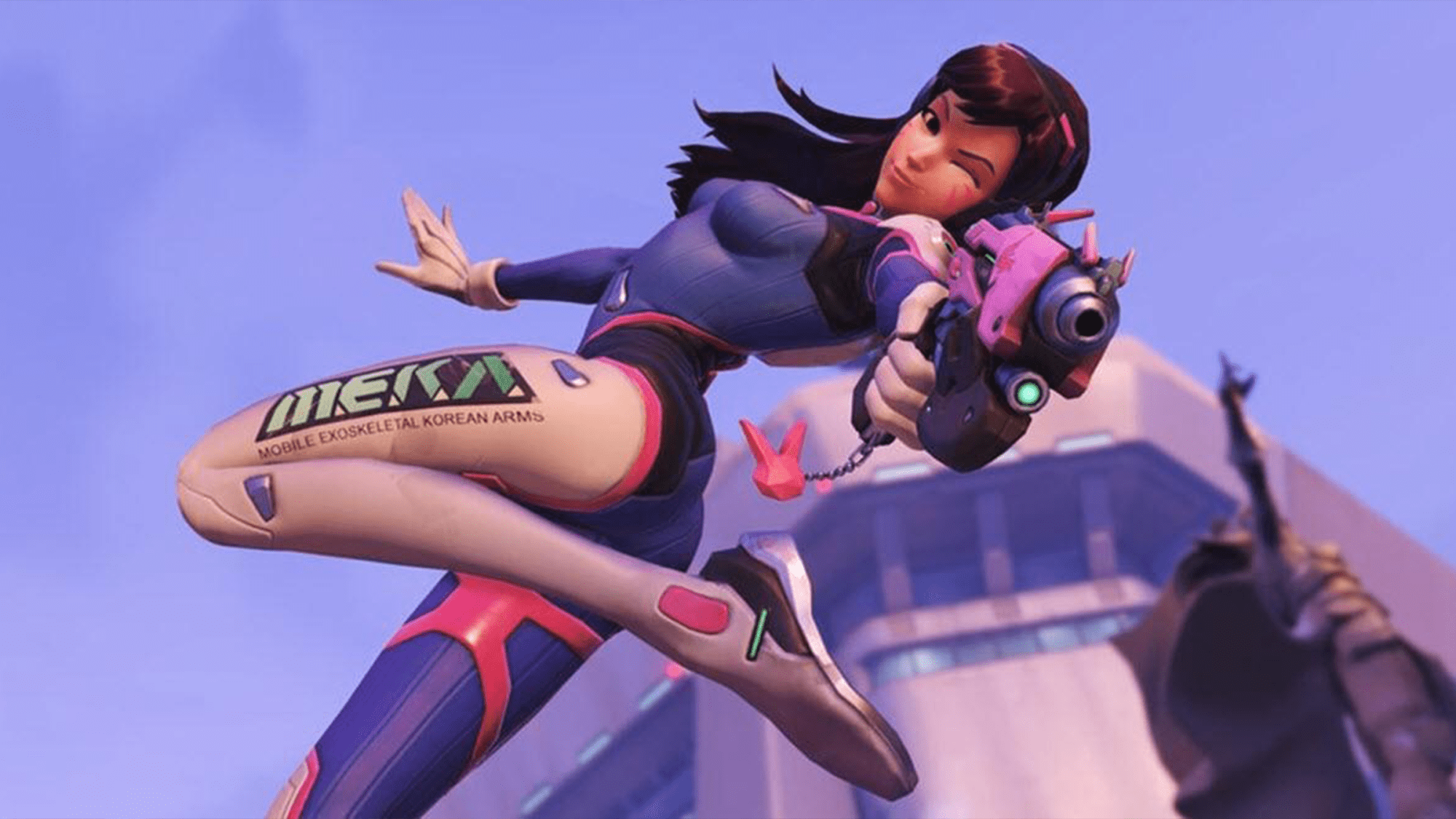
Cross-platform releases also show how far the industry has moved. The source points to Halo appearing on PlayStation 5 as a sign that exclusivity matters differently now. It also cites the changing relationship between games such as Fortnite and Overwatch, where titles that might once have been framed as direct rivals can now sit alongside each other in a more connected market. For official platform context, see the PlayStation Blog and Steam.
That does not mean gaming debate has disappeared. It has simply shifted. The heat that once went into defending a console brand now turns up in arguments about business models, game design and online communities. For preservation-minded readers, that matters too, because the social side of console history is part of the story, not just the hardware and software.