
Duckstation Emulator Adds PS1 GPU Revision Toggle
We tend to view consoles as static monoliths. You bought a grey box, plugged it into the television, and it played discs. However, the hardware under the bonnet of the Sony PlayStation changed significantly over its lifespan. The machine you bought at launch in Japan was not, electronically speaking, the same machine that conquered the world in 1997.
This week, the developers behind DuckStation arguably the gold standard for PS1 emulation added a feature that highlights these invisible history lessons.
📜 The PS1's Evolving HardwareThe PlayStation launched in Japan in December 1994 as the SCPH-1000 model. Over its lifespan, Sony released numerous hardware revisions, with the SCPH-5500 series becoming one of the most common worldwide. These later models often had quieter CD-ROM drives, lower power consumption, and, as this emulator feature highlights, a revised GPU with different texture handling.
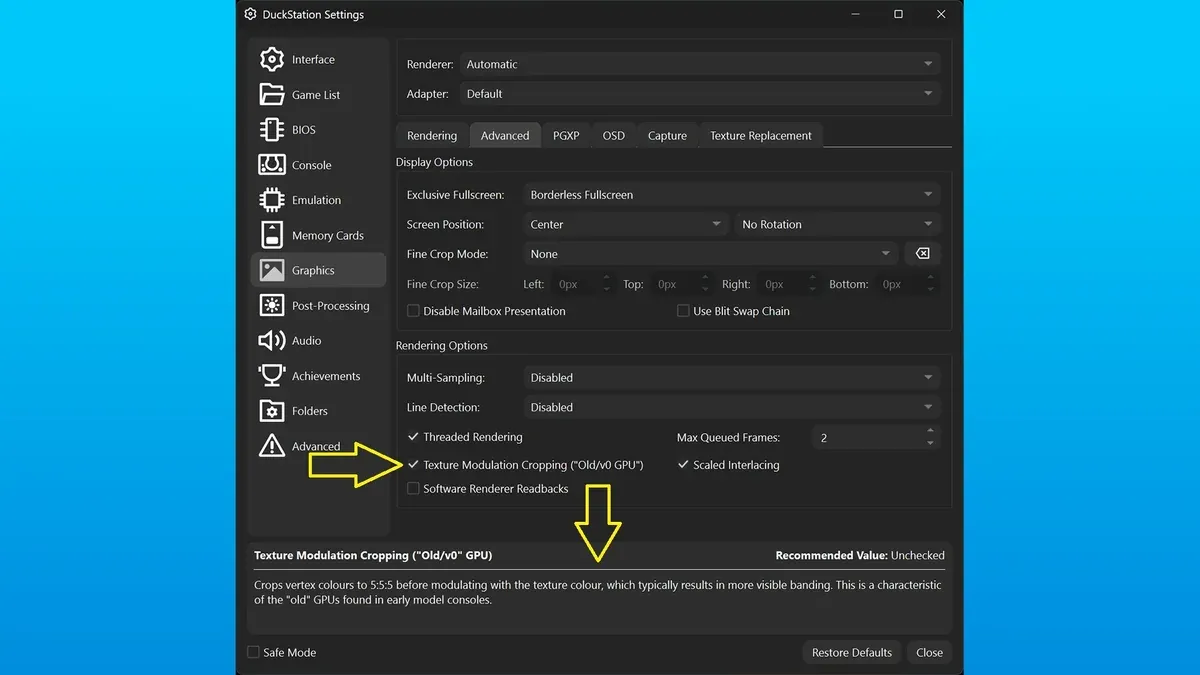
As spotted by user Dreamboum, developer Stenzek has introduced a toggle for "Texture Modulation Cropping." While that sounds like the sort of technical jargon that makes eyes glaze over, it effectively allows users to switch between the original GPU found in the launch model (SCPH-1000) and the revised silicon used in the ubiquitous later models (such as the SCPH-5500).
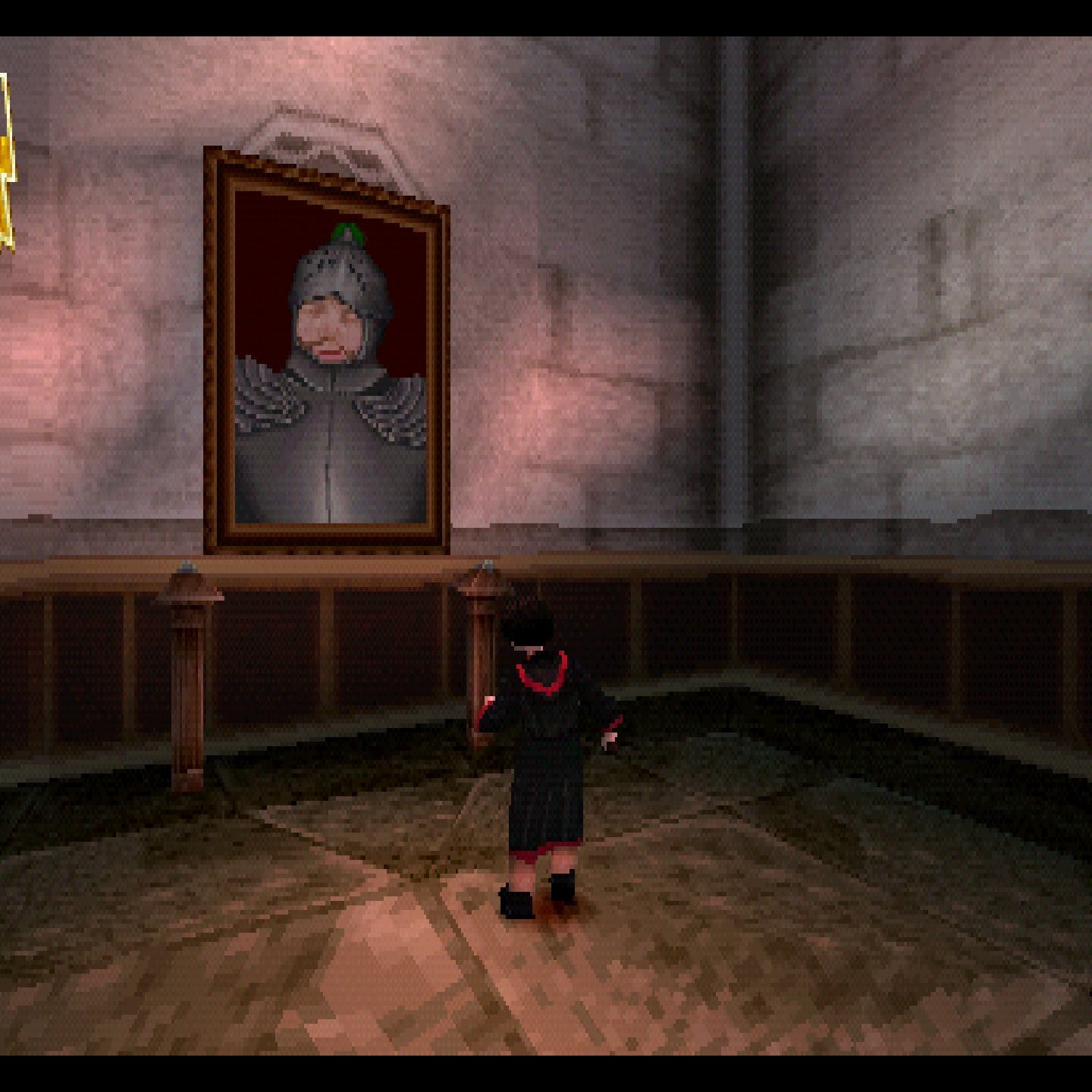
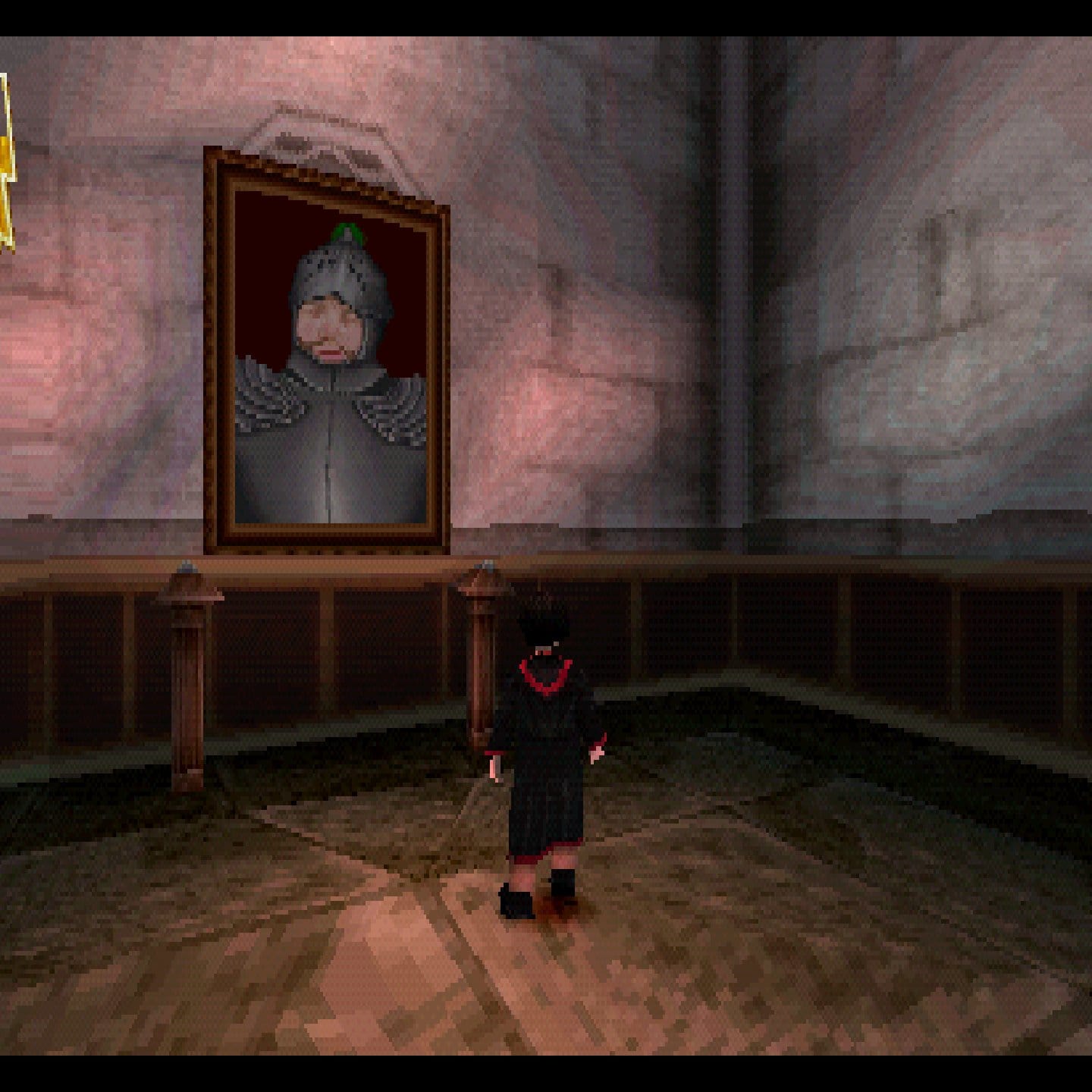
Credit: Dreamboum / X
The difference is subtle but significant for preservationists. The original GPU handled texture modulation with a distinct quirk that was "fixed" in later revisions. For decades, demonstrating this variance required two physical PlayStationconsoles, identical copies of a game like Tekken 2, and a complex capture setup. Now, it is simply a checkbox in the graphics settings.
This update underscores a shift in the emulation community. The goal is no longer just compatibility or upscaling to 4K; it is cycle-accurate authenticity. Whether you want the crisp, corrected visuals of the late-90s hardware or the slightly raw, unrefined texture work of the 1994 launch unit, the choice is now yours.
Less than a week later, the PS1 Duckstation emulator added the option to replicate the behavior of early PS1 models. You can now try it yourself and see if your favorite game look any different.
— Dream's Longest Day (@Dreamboum) December 26, 2025
Thank you to the developer Stenzek for adding this! https://t.co/DslR3jabDE pic.twitter.com/t3U6KbKBHz
It is a niche feature, certainly. Most players will likely never notice the difference while running Crash Bandicoot. Yet, for those of us who care about the precise history of this industry, it is these granular details that matter most.