
Casio's PV-1000 Console: A 1983 Failure Now a Collector's Prize
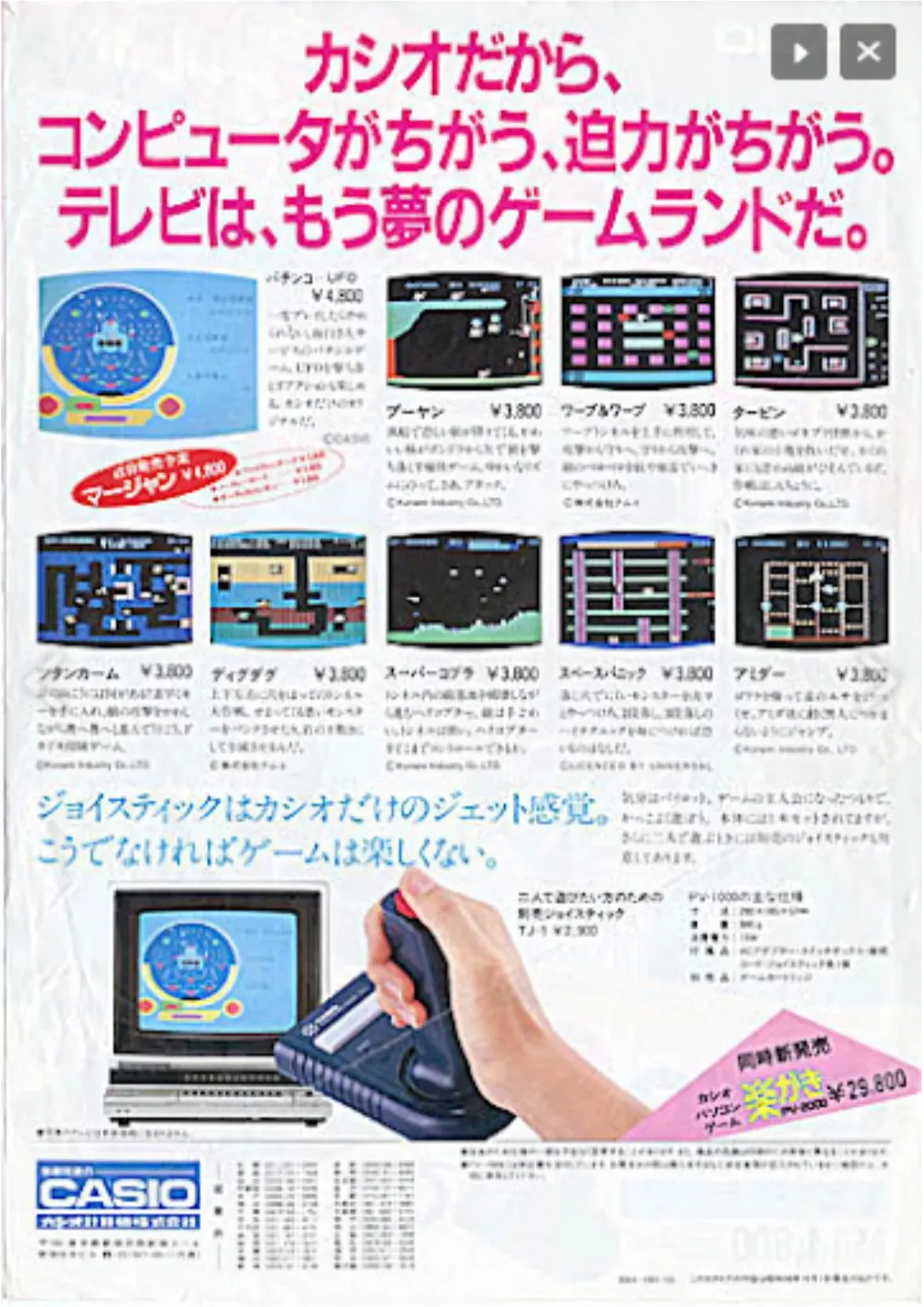
Casio's 1983 PV-1000 console represents one of gaming's most spectacular commercial failures, disappearing from shelves within weeks of launch. With just 11 total games and modest specs that mirrored Sega's SG-1000, this forgotten machine has transformed from retail disaster to prized collector's.
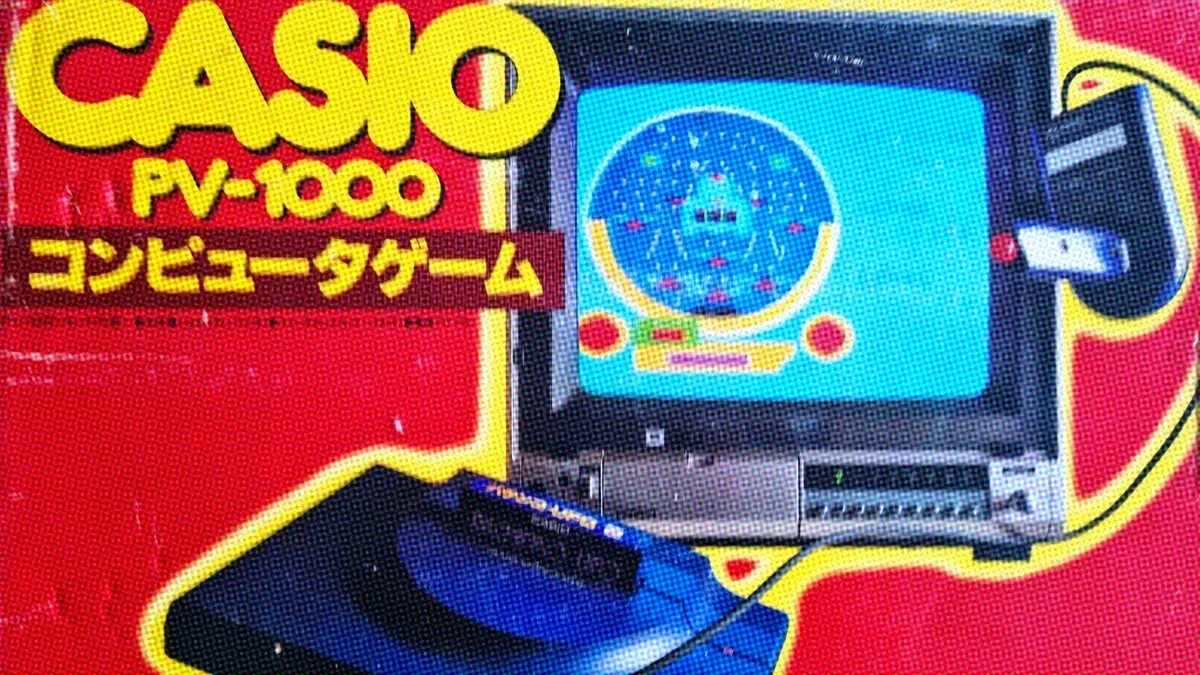
In the crowded Japanese console market of 1983, Casio's PV-1000 managed a rare feat: it arrived, failed, and disappeared almost before anyone noticed. According to a detailed retrospective by Retro Handhelds, the system's commercial lifespan is best measured in weeks, a spectacular misfire from the calculator and watch giant.
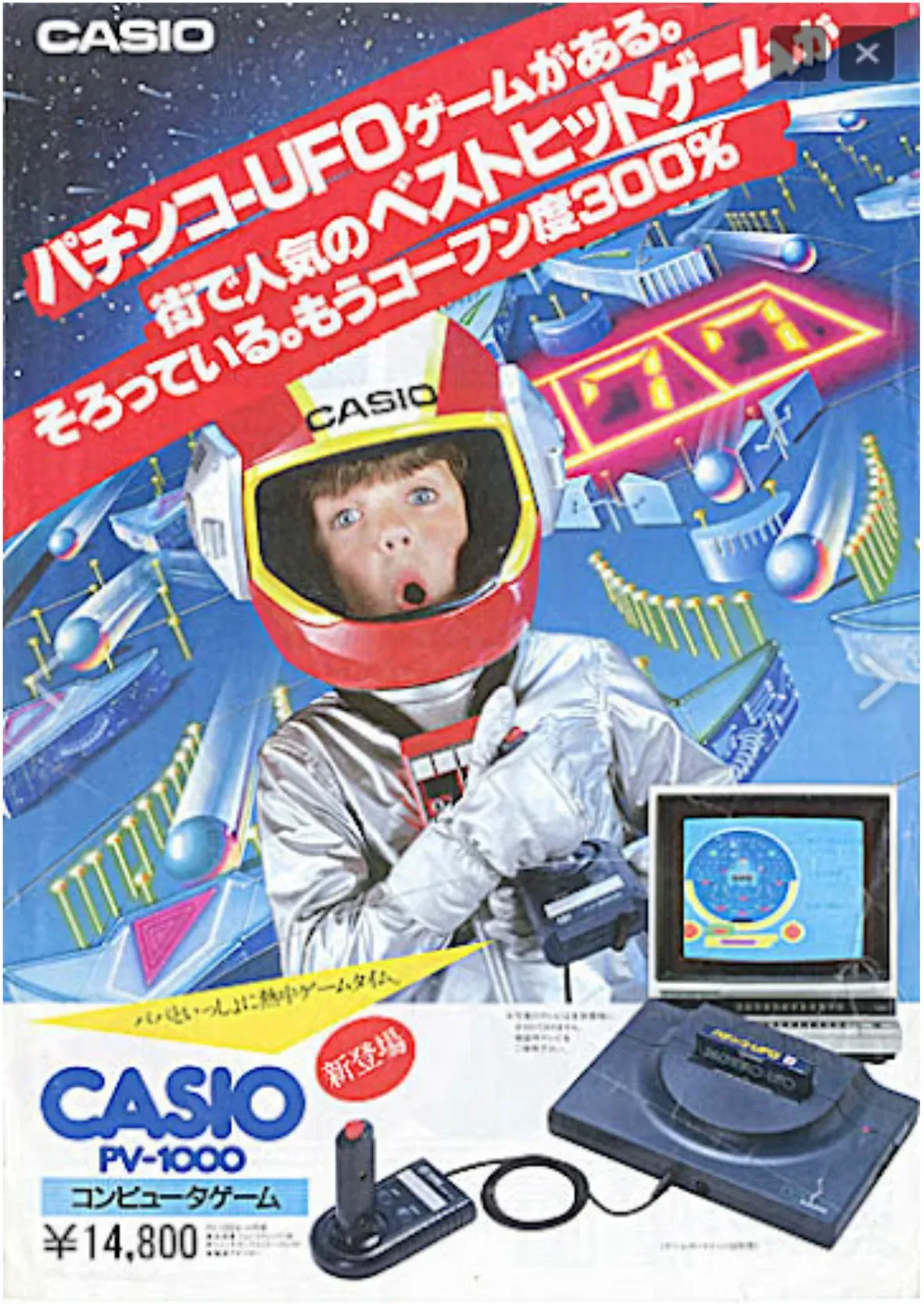
📊 The PV-1000 By The Numbers- Processor: Z80 CPU running at 3.58 MHz, identical to the Sega SG-1000.- Launch Price: ¥14,800 in Japan (approximately $60 USD at the time).- Color Palette: Capable of displaying 8 colors simultaneously from a palette of 16.- Total Library: Only 11 total games were ever released for the system.
Launched alongside Nintendo's new Famicom and Sega's SG-1000, the PV-1000 was underpowered and oddly conceived from the start. It used a Z80 processor but paired it with a limited graphics chip and a sound system described as having “the audio personality of a calculator.” Its hardwired controllers featured stiff, uncomfortable joysticks, and its nine-game launch lineup, including titles like Turpin, offered nothing that couldn't be found elsewhere in superior form. With a price that failed to undercut its more capable rivals, it stood little chance.
The console's failure was so complete that rumours suggest Casio halted production almost immediately. Its brief successor, the PV-2000 computer, was not backwards compatible and only served to fragment a non-existent user base further. Casio swiftly retreated to its core business, leaving the PV-1000 as a forgotten footnote.
📜 The 1983 Console War in JapanCasio launched the PV-1000 during the most competitive year in Japanese gaming history. In 1983 alone, consumers could choose between Nintendo's Famicom (July), Sega's SG-1000 (July), Epoch's Cassette Vision Jr. (October), and the PV-1000 (October). This market saturation, combined with the PV-1000's technical limitations, guaranteed its commercial failure.
For today's retro collecting community, however, such a dramatic failure is catnip. The PV-1000's microscopic production run and fleeting presence on shelves have transformed it into a prized rarity. Its story serves as a direct contrast to the success of its 1983 contemporaries; while the Famicom laid the groundwork for a 40-year empire, the PV-1000 exemplifies the brutal reality of that era's console wars, where for every winner like Nintendo or Sega, there were dozens of oddities that vanished without a trace.
Want more retro gaming news delivered to your inbox? Subscribe to our newsletter for weekly updates on classic gaming, preservation projects, and collector insights.